
T-boned at an Orlando intersection? We prove right-of-way violations using traffic camera footage and EDR data, and fight for full compensation for injuries the vehicle's structure could not absorb. Free case review, no fee unless we win.
Millions Recovered
No Fees Unless We Win
24/7 Free Consultation
Bilingual Team (Hablamos Español)
Start your journey to the support you need.



.2412131251204%201.svg)


Our attorneys have recovered significant compensation for T-bone and side-impact collision victims across Central Florida.
$
$
$
$
Intersection crashes often come down to a dispute over who had the light or who had the right of way, which can feel like your word against theirs. Below, clients we've represented share what it was like to work with our team to prove exactly what happened and secure the compensation their injuries required.

+$
M
No Fee

Our attorneys are experienced trial lawyers, not just settlement negotiators.
Deep experience with Orange County courts and local insurance adjusters.
You are not a case file. You get direct access to your attorney.
We employ the specialists (accident reconstruction, medical experts) needed to win.
This page is attorney-reviewed and based on real experience handling a wide range of personal injury cases (from catastrophic car accidents to complex premises liability) throughout Central Florida. All information is verified against Florida Statutes and Florida Senate Legal Resources to ensure accuracy and reliability. Reviewed by Louis Berk, Esq., Florida Bar-Licensed Attorney and founder of Louis Berk Law. You can see our verified case outcomes on this page and on our full Case Results page.
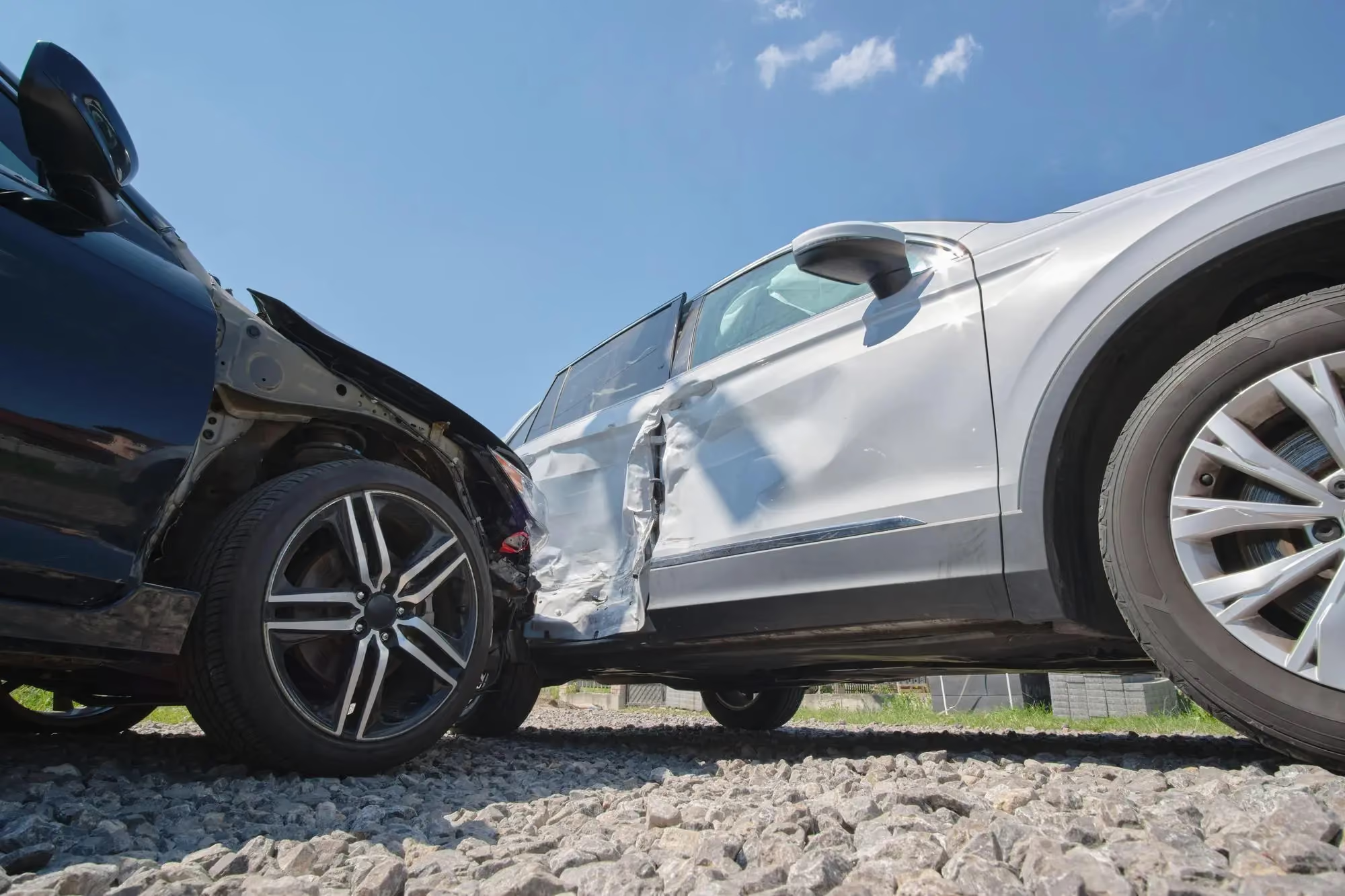
A T-bone accident, also called a side-impact or broadside crash, happens when the front of one vehicle strikes the side of another, usually at an intersection. In Florida, these claims usually turn on right-of-way: which driver had the legal right to proceed, and whether the other driver ran a red light, failed to yield, or failed to stop.
At Louis Berk Law, our Orlando T-bone accident lawyers prove fault by obtaining traffic camera footage, EDR (black box) data, police reports, and witness statements. If another driver ran a red light, failed to yield, or made an unsafe left turn and struck the side of your vehicle, you may have a claim for your injuries. If your crash involved a car, our car accident attorney in Orlando team can also review the claim.
In a frontal crash, the engine compartment and frame absorb part of the force before it reaches the occupant. In a rear crash, the trunk and rear frame provide a buffer. In a T-bone crash, the main barriers between the occupant and the striking vehicle are the door panel and, where the vehicle has them, side-impact airbags.
The Insurance Institute for Highway Safety (IIHS) reports in its Fatality Facts 2024, based on NHTSA's Fatality Analysis Reporting System, that side impacts accounted for 22% of passenger vehicle occupant deaths. In multiple-vehicle crashes in 2024, IIHS reported 6 driver deaths per million registered 1- to 3-year-old passenger vehicles from side impacts, compared with 2 from rear impacts. These figures measure deaths across all crashes, not the injuries of any single case.
Occupants on the impact side, the side that was struck, can suffer:
T-bone accidents usually happen when one driver does not follow a signal, sign, or right-of-way rule. Common violations include the following, each with the Florida statute that applies.
Our car accident attorney in Orlando page explains how we investigate standard vehicle collisions, including those at intersections.
Establishing which driver had the legal right of way at the moment of impact is the central liability question in T-bone cases. Florida's right-of-way rules appear in several sections of Chapter 316, not in a single statute. The table below lists the sections that apply to a T-bone collision.
Evidence that a driver violated one of these rules can support a negligence claim. How much weight a court gives it depends on the facts of each crash.
Left-turn T-bone crashes raise a specific question. Under §316.122, the turning driver must yield to oncoming traffic that is in the intersection or close enough to be an immediate hazard. That duty is the starting point of the analysis, but the oncoming driver's speed, signal timing, and attention can also be disputed.
The at-fault driver's insurer may argue that the oncoming vehicle was speeding, entered on a late yellow, or failed to take evasive action. Under §316.183(1), drivers must travel at a speed that is reasonable and prudent for the conditions. EDR data from both vehicles, along with signal timing records, helps test those arguments.
Florida's 2023 tort reform (HB 837) changed the comparative fault rule under §768.81(6). A plaintiff found more than 50 percent at fault cannot recover damages. In T-bone cases, the at-fault driver's insurer may argue that you contributed to the crash by speeding through the intersection, entering on a late yellow, or failing to take evasive action. The signal, speed, and timing evidence described above is how those arguments are answered.
Evidence of medical expenses is governed by §768.0427, which addresses evidence of past medical expenses, including amounts that were paid and amounts that remain unpaid. Ask your attorney how it applies to your bills.
For negligence claims, the statute of limitations is two years under §95.11(5)(a). Injuries from a T-bone crash can take months to treat, so the deadline should be calendared from the date of the accident and not from the end of treatment.
T-bone accident victims in Florida may pursue compensation for the losses the collision caused.
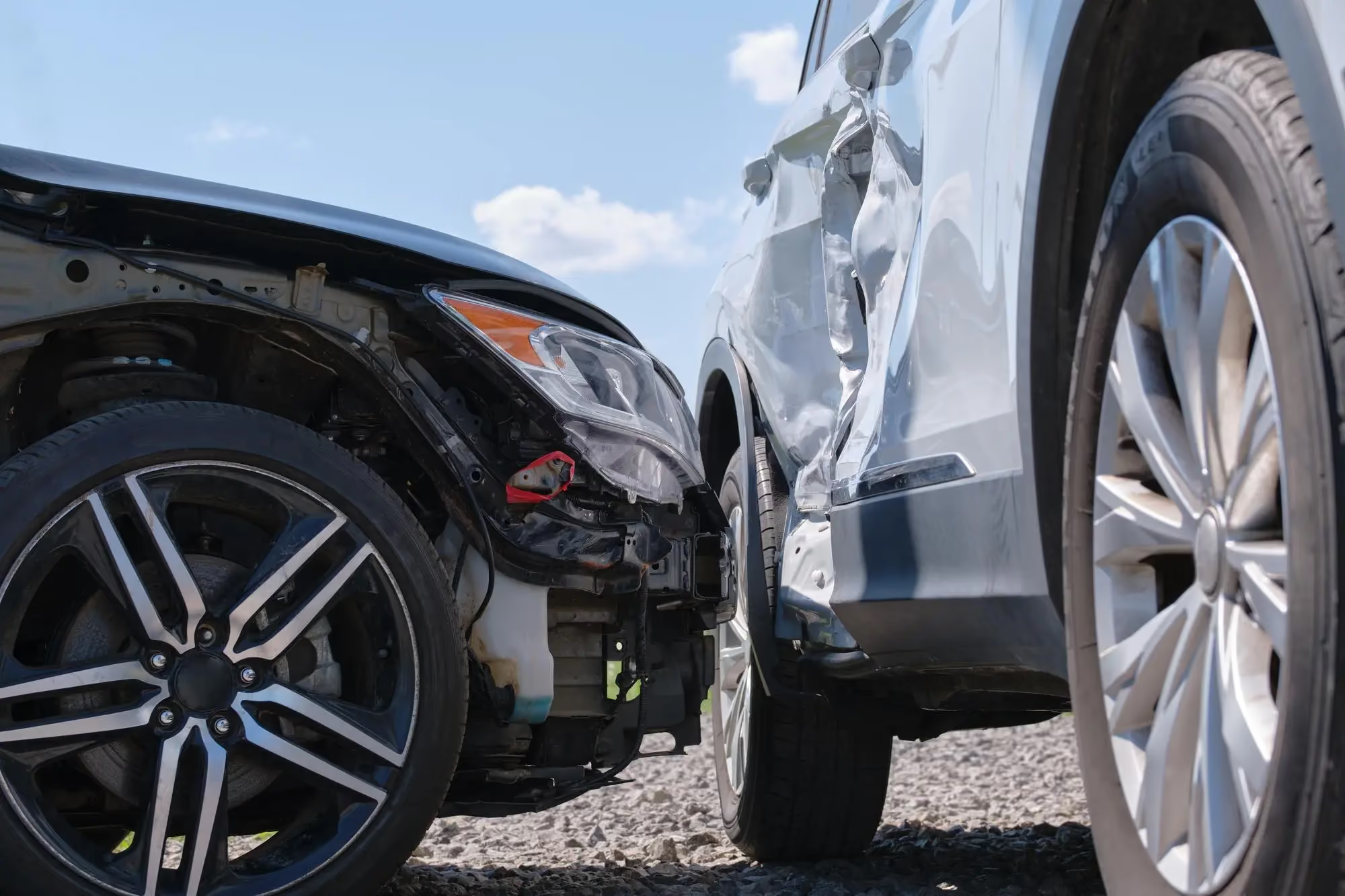
At Louis Berk Law, we prioritize evidence preservation in every T-bone case because intersection evidence can disappear. Traffic camera footage may be overwritten, witnesses' memories fade, and EDR data can be lost if the vehicle is repaired or scrapped.
When you contact us, we request traffic camera footage from the city or county, send a preservation letter to the at-fault driver's insurer to protect EDR data, and coordinate with your treating physicians to document your injuries with the imaging, such as MRI or CT, needed to show the full extent of the damage.
For any other type of injury, our personal injury attorney in Orlando is ready to review the case.
Disclaimer: This page is for general informational purposes only and does not constitute legal advice. Every case is different. For advice about your specific situation, contact a licensed attorney. Prior results do not guarantee a similar outcome.