
Abogado de Accidentes de Impacto Lateral en Orlando
¿Sufrió un impacto lateral en una intersección de Orlando? Probamos las violaciones del derecho de vía usando grabaciones de cámaras de tráfico y datos del EDR, y luchamos por la compensación completa. Revisión de caso gratis, sin honorarios.
Millones recuperados
Si no ganamos, no cobramos
Equipo bilingüe (Hablamos Español)
Consulta gratuita 24/7
Inicia tu camino hacia el apoyo que necesitas.



.2412131251204%201.svg)

%201.svg)


Resultados de Casos de Accidentes de Impacto Lateral
Nuestros abogados han recuperado una compensación significativa para víctimas de accidentes de impacto lateral y colisiones laterales en toda Florida Central.
Acuerdo: violación de semáforo en rojo por camioneta comercial en Alafaya Trail.
$
Recuperación: choque por giro a la izquierda ilegal en Colonial Drive
$
Acuerdo: falla en señal de alto en zona suburbana
$
Acuerdo por límite de póliza: colisión lateral en intersección de autopista
$
Un mensaje de nuestro abogado fundador, Louis Berk
Testimonios de clientes de lesiones personales en Orlando
Los choques en intersecciones a menudo se reducen a una disputa sobre quién tenía la luz verde o quién tenía el derecho de vía, lo cual puede sentirse como su palabra contra la de ellos. A continuación, los clientes a quienes hemos representado comparten cómo fue trabajar con nuestro equipo.

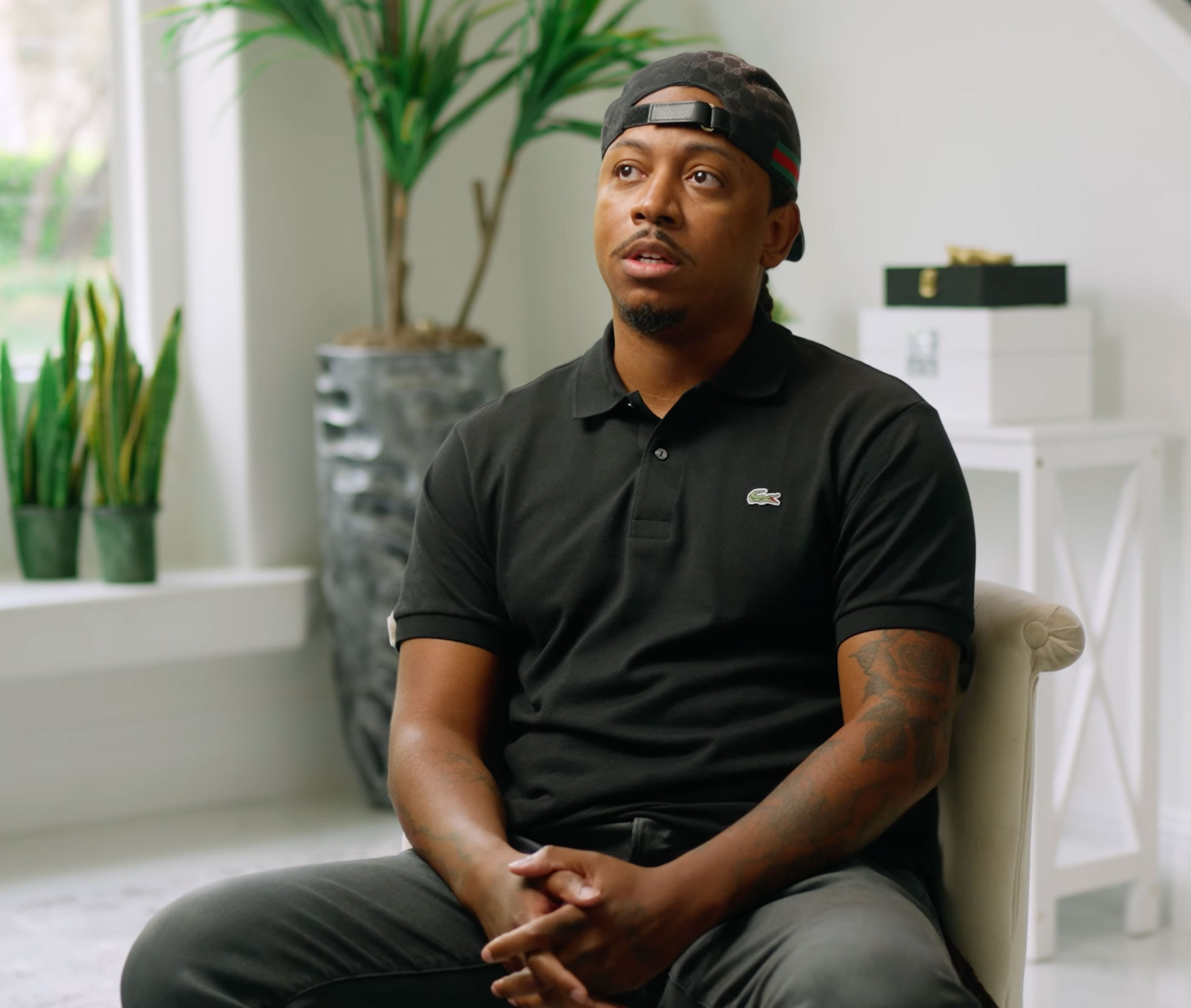

+$
M
Sin tarifa

Por qué somos un bufete de abogados calificados en Orlando
Nuestros abogados son litigantes experimentados, no simples negociadores de acuerdos.
Amplia experiencia con los tribunales del condado de Orange y los ajustadores de seguros locales.
Usted no es un expediente. Obtiene acceso directo a su abogado.
Empleamos a los especialistas (reconstrucción de accidentes, expertos médicos) necesarios para ganar.
Conozca a su equipo legal de lesiones personales en Orlando
%20(1).jpg)
.jpg)

Cómo Funciona su Caso de Accidente de Impacto Lateral
Por qué confiar en esta guía jurídica
Esta página ha sido revisada por abogados y se basa en una amplia experiencia real en el manejo de diversos casos de lesiones personales (desde accidentes automovilísticos catastróficos hasta casos complejos de responsabilidad de locales) en todo el centro de Florida. Toda la información se verifica con los Estatutos de Florida y los recursos legales del Senado de Florida para garantizar su precisión y fiabilidad. Revisado por Louis Berk, Esq., abogado con licencia del Colegio de Abogados de Florida y fundador de Louis Berk Law. Puede consultar los resultados verificados de nuestros casos en esta página y en nuestra página completa de Resultados de casos .
Abogado de Accidentes de Impacto Lateral en Orlando: Probando la Culpa en la Intersección
.webp)
Las colisiones de impacto lateral, también llamadas choques tipo T o colisiones laterales, están entre los tipos de accidente de carro más mortales en las carreteras de Florida. El análisis del IIHS sobre los datos de la NHTSA de 2024 muestra que los impactos laterales representaron el 22% de todas las muertes de ocupantes de vehículos de pasajeros, solo superados por los impactos frontales. Estas colisiones son tan peligrosas porque el costado de un vehículo ofrece mucha menos protección estructural que el frente o la parte trasera. No hay bloque de motor, no hay zona de deformación, y a menudo solo un delgado panel de puerta separa al ocupante del vehículo que impacta.
En Louis Berk Law, nuestros abogados de accidentes de impacto lateral en Orlando prueban la culpa en la intersección obteniendo grabaciones de cámaras de tráfico, datos del EDR (caja negra), informes policiales, y testimonio de testigos. Cuando otro conductor se pasó un semáforo en rojo, no cedió el paso, o hizo un giro a la izquierda inseguro e impactó el costado de su vehículo, usted tiene derecho a buscar una compensación por lesiones que a menudo son catastróficas.
Por Qué los Accidentes de Impacto Lateral Causan Lesiones Más Graves
Los choques de impacto lateral producen lesiones más graves por colisión que los choques por alcance o incluso muchos choques frontales, y la física del impacto explica por qué. En una colisión frontal, el compartimento del motor, el capó, y el chasis absorben y distribuyen la fuerza del impacto antes de que llegue al ocupante. En una colisión trasera, la cajuela, el chasis trasero, y el respaldo del asiento proporcionan un amortiguador.
En un choque de impacto lateral, la única protección entre el ocupante y el vehículo que impacta es el panel de la puerta y, en vehículos más nuevos, las bolsas de aire laterales. La distancia entre el punto de impacto y el ocupante puede ser tan corta como 30 centímetros. La fuerza se transfiere directamente al cuerpo del ocupante, particularmente a la cadera, la pelvis, la caja torácica, y la cabeza del lado del impacto.
Nuestro equipo de contenido, que incluye a un profesional médico, observa un patrón consistente en los casos de lesiones por impacto lateral. Los ocupantes del lado del impacto (el lado que fue golpeado) sufren lesiones significativamente más graves que los ocupantes del lado opuesto. Las lesiones más comunes del lado del impacto incluyen:
- Lesión cerebral traumática: la cabeza golpea la ventana, el pilar B, o es sacudida por la fuerza lateral. Incluso con bolsas de aire laterales, la LCT es común en choques de impacto lateral de velocidad moderada a alta. manejan estos casos específicamente. Nuestros abogados de lesiones cerebrales en Orlando se especializan en estos casos.
- Fracturas de pelvis y cadera: la puerta se introduce en el espacio del ocupante, aplastando la pelvis y la cadera. Estas fracturas a menudo requieren reparación quirúrgica y rehabilitación extensa.
- Fracturas de costillas y daño a órganos internos: la caja torácica absorbe la fuerza lateral, y las costillas rotas pueden perforar los pulmones, el hígado, o el bazo. El sangrado interno por daño a órganos es una causa principal de muerte en accidentes de impacto lateral.
- Lesiones de médula espinal: la compresión y rotación lateral de la columna puede causar fracturas, hernias discales, y daño a la médula que resulta en parálisis. Nuestros abogados de lesiones de médula espinal construyen estos casos alrededor de los datos de costo de por vida.
- Lesiones de brazo y hombro: el brazo apoyado en la puerta o el descansabrazos queda directamente en la zona de impacto, causando fracturas, dislocaciones, y daño nervioso.
Los niños sentados del lado del impacto están en riesgo particularmente alto. A medida que aumentan las disparidades de altura entre vehículos (SUVs y camionetas impactando sedanes), el punto de impacto frecuentemente se alinea directamente con la cabeza y la parte superior del cuerpo de un niño, incluso cuando está correctamente sujeto en un asiento infantil.
Causas Comunes de Accidentes de Impacto Lateral en Orlando
Los accidentes de impacto lateral ocurren con mayor frecuencia en intersecciones donde un conductor viola el derecho de vía. Las infracciones de tránsito específicas que causan estos choques están bien documentadas y forman la base de la reclamación por negligencia.
- Pasarse un semáforo en rojo: la causa más común. Bajo el Estatuto de Florida §316.075, todo conductor debe obedecer las señales de control de tráfico. Pasarse un semáforo en rojo es una infracción de tránsito y evidencia directa de negligencia en una demanda civil.
- No ceder el derecho de vía: bajo el §316.123, los conductores deben ceder el paso al tráfico que se aproxima al girar a la izquierda, entrar a una vía, o cruzar una intersección. No ceder el paso es la segunda causa más común de choques de impacto lateral.
- Giros a la izquierda inseguros: un conductor que gira a la izquierda cruzando el tráfico que se aproxima y calcula mal la velocidad o distancia de los vehículos que se acercan causa un impacto lateral cuando el vehículo que se aproxima golpea el costado del vehículo que gira.
- Pasarse una señal de alto: no detenerse en una señal de alto y avanzar hacia la intersección crea un camino directo para una colisión lateral.
- Conducción distraída: enviar mensajes de texto, llamadas telefónicas, u otras distracciones hacen que un conductor no vea un semáforo en rojo, una señal de alto, o un vehículo que se aproxima.
- Conducción bajo los efectos de sustancias: el alcohol y las drogas afectan el juicio, el tiempo de reacción, y la capacidad de calcular espacios en el tráfico en las intersecciones.
Intersecciones de Orlando con Alto Riesgo de Accidentes de Impacto Lateral
Nuestros abogados han manejado casos de colisión de impacto lateral en intersecciones de toda Florida Central. Las ubicaciones más peligrosas incluyen:
- Intersecciones de Colonial Drive (SR 50): tráfico comercial intenso, múltiples carriles, y violaciones frecuentes de semáforos en rojo hacen de Colonial Drive uno de los corredores de mayor riesgo para accidentes de impacto lateral en Orlando.
- Orange Blossom Trail (OBT) / US 441: intersecciones de alta velocidad con tráfico comercial y peatonal.
- Área de Sand Lake Road / International Drive: tráfico turístico, conductores que no conocen la zona, y patrones de intersección complejos cerca de los parques temáticos.
- Rampas de entrada/salida de la I-4: fallas de incorporación y violaciones de semáforo en las intersecciones de las rampas.
- Semoran Boulevard (SR 436): uno de los corredores norte-sur más transitados del Condado de Orange, con colisiones frecuentes en intersecciones.
Nuestra página de abogado de accidentes de carro en Orlando explica cómo investigamos las colisiones vehiculares estándar en estos mismos corredores.
Cómo se Determina el Derecho de Vía en un Choque de Impacto Lateral
Establecer qué conductor tenía el derecho de vía legal en el momento del impacto es la pregunta central de responsabilidad en todo caso de impacto lateral. El Estatuto de Florida §316.123 rige las reglas de derecho de vía en las intersecciones, y las violaciones de este estatuto son evidencia directa de negligencia.
Evidencia que usamos para probar violaciones de derecho de vía:
- Grabaciones de cámaras de tráfico: muchas intersecciones de Orlando tienen cámaras de semáforo en rojo o cámaras de vigilancia de la ciudad que capturan la secuencia de eventos. Solicitamos estas grabaciones de inmediato, ya que frecuentemente se sobrescriben en cuestión de días.
- Datos del EDR (Registrador de Datos del Evento): la "caja negra" en los vehículos modernos registra la velocidad, el frenado, la posición del acelerador, y la dirección en los segundos previos a un choque. Estos datos prueban si el conductor responsable estaba frenando, acelerando, o distraído en el momento del impacto.
- Informes policiales y citaciones: si el conductor responsable recibió una citación por pasarse un semáforo en rojo o no ceder el paso, esa citación es evidencia de la infracción de tránsito.
- Declaraciones de testigos: los pasajeros de ambos vehículos, peatones, y conductores de otros vehículos en la intersección pueden testificar sobre los colores de los semáforos, las velocidades de los vehículos, y la secuencia de eventos.
- Reconstrucción de accidentes: los expertos analizan el daño del vehículo, los patrones de escombros, y las marcas en la carretera para determinar el ángulo y la velocidad del impacto, confirmando qué vehículo estaba en la intersección legalmente.
El Impacto Lateral por Giro a la Izquierda: Un Análisis Especial de Responsabilidad
Los choques de impacto lateral por giro a la izquierda presentan una pregunta única de responsabilidad. Cuando un conductor que gira a la izquierda es golpeado por un vehículo que se aproxima en línea recta, el conductor que gira típicamente tiene la culpa por no ceder el paso bajo el §316.123. Sin embargo, el conductor que se aproxima puede compartir la culpa si iba a exceso de velocidad, se pasó un semáforo en amarillo tardío, o estaba distraído.
Las compañías de seguros explotan esta ambigüedad. En los casos de impacto lateral por giro a la izquierda, la aseguradora del conductor responsable casi siempre argumentará que el vehículo que se aproximaba (el suyo) excedía el límite de velocidad, entró con un amarillo tardío, o no tomó acción evasiva. Nuestros abogados contrarrestan estos argumentos con datos del EDR de ambos vehículos que establecen las velocidades reales, grabaciones de cámaras de tráfico que muestran la sincronización del semáforo, y análisis de reconstrucción de accidentes que demuestran que el conductor que giraba no cedió el paso. En un caso, nuestro equipo consiguió $650,000 para un motorista que sufrió fracturas complejas de clavícula y costillas que requirieron la colocación de hardware quirúrgico cuando un vehículo que se aproximaba giró directamente hacia la puerta del lado del conductor en Colonial Drive.
Cómo Afecta la Ley HB 837 a los Casos de Accidentes de Impacto Lateral
La reforma de responsabilidad civil de Florida de 2023 (HB 837) afecta los casos de impacto lateral a través de la regla modificada de negligencia comparativa bajo el §768.81(6). Si se determina que usted tiene 51% o más de culpa, su reclamación queda completamente bloqueada. En los casos de impacto lateral, la aseguradora del conductor responsable argumentará que usted contribuyó a la colisión por exceso de velocidad al cruzar la intersección, por entrar con un amarillo tardío, o por no tomar acción evasiva.
La regla de evidencia de daños médicos bajo el §768.0427 limita los gastos médicos recuperables a las cantidades realmente pagadas, no a las facturadas. Para las víctimas de impacto lateral con lesiones graves y facturas hospitalarias grandes, esto reduce el punto de partida del acuerdo.
El plazo de prescripción es de dos años a partir de la fecha del accidente bajo el §95.11. Dada la gravedad de las lesiones por impacto lateral y el tiempo necesario para el tratamiento y la recuperación, este plazo de dos años puede llegar mientras las víctimas todavía están en rehabilitación.
¿Qué Compensación Puede Recuperar?
Las víctimas de accidentes de impacto lateral en Florida pueden recuperar una compensación por el espectro completo de daños causados por la colisión.
- Gastos médicos: atención de emergencia, hospitalización, cirugías (incluyendo reparación ortopédica de fracturas de pelvis/cadera), rehabilitación, y tratamiento continuo.
- Salarios perdidos y capacidad de ingresos: ingresos perdidos durante la recuperación y ganancias futuras proyectadas si las lesiones impiden regresar al trabajo.
- Dolor y sufrimiento: dolor físico, angustia emocional, TEPT, ansiedad al conducir, y pérdida del disfrute de la vida.
- Daños a la propiedad: reparación o reemplazo del vehículo.
- Daños punitivos: disponibles cuando el conductor responsable estaba intoxicado, se pasó un semáforo en rojo, o incurrió en mala conducta grave.
- Indemnización por muerte injusta: los choques de impacto lateral son desproporcionadamente mortales dada su frecuencia, y si la colisión fue fatal, la sucesión puede presentar una demanda por muerte injusta. Cuando las lesiones son lo suficientemente graves como para cumplir con la definición legal de lesión catastrófica de Florida, nuestros abogados de lesiones catastróficas en Orlando aportan recursos adicionales al caso.
En un caso, nuestro equipo recuperó $1,250,000 para un conductor que sufrió fracturas pélvicas graves, sangrado interno, y una lesión cerebral traumática leve después de que una camioneta comercial de reparto se pasara un semáforo en rojo a alta velocidad en Alafaya Trail.
Cómo Maneja Louis Berk Law los Casos de Accidentes de Impacto Lateral
.webp)
En Louis Berk Law, priorizamos la preservación de evidencia en cada caso de impacto lateral porque la evidencia de la intersección desaparece rápido. Las grabaciones de cámaras de tráfico se sobrescriben. Los recuerdos de los testigos se desvanecen. Los datos del EDR pueden perderse si el vehículo es reparado o desechado.
El mismo día que nos contacta, comenzamos a solicitar grabaciones de cámaras de tráfico a la ciudad o el condado, enviamos una carta de preservación a la aseguradora del conductor responsable para proteger los datos del EDR, y coordinamos con los médicos tratantes para documentar sus lesiones con los estudios de imagen diagnóstica (resonancia magnética, tomografía) necesarios para probar la extensión total del daño.
El abogado Louis Berk ha manejado casos de impacto lateral donde la compañía de seguros argumentó que el cliente "se pasó el amarillo" basándose únicamente en las suposiciones del ajustador. Nuestra grabación de cámara de tráfico probó que el cliente entró a la intersección con luz verde sólida, y que el conductor responsable se pasó un semáforo en rojo por más de dos segundos. Esa evidencia transformó un caso de responsabilidad disputada en una reclamación clara de negligencia. En un caso, nuestro equipo obtuvo los límites completos de la póliza de seguro disponible de $225,000 para un conductor que sufrió desgarros de ligamentos de rodilla y síntomas persistentes post-conmoción tras un choque de impacto lateral en la US 192.
Para cualquier otro tipo de lesión, nuestro abogado de lesiones personales en Orlando está listo para ayudarle, y puede revisar nuestros resultados de casos para ver cómo hemos luchado por las familias de Florida Central.
Aviso legal: Esta página tiene fines meramente informativos y no constituye asesoramiento legal. Cada caso es diferente. Para obtener asesoramiento sobre su situación específica, contacte a un abogado con licencia. Los resultados anteriores no garantizan un desenlace similar.


Preguntas Frecuentes
¿Cuánto cuesta contratar a un abogado de accidentes de impacto lateral?
¿Qué debo hacer después de un accidente de impacto lateral en una intersección?
¿Cómo afecta la ley HB 837 a mi caso de accidente de impacto lateral?
¿Por qué los accidentes de impacto lateral son más peligrosos que otros choques?
¿Cuánto vale un caso de accidente de impacto lateral?
¿Quién tiene la culpa en un accidente de impacto lateral?
***Al proporcionar un número de teléfono, consientes ser contactado por mensaje de texto SMS. Pueden aplicarse tarifas de mensajes y datos. Puedes responder STOP para darte de baja de futuros mensajes y obtener más ayuda enviando HELP.
