
Orlando Brain Injury (TBI) Lawyer
Suffered a traumatic brain injury in Orlando? We work with neurologists, neuropsychologists, and forensic economists to prove the full lifetime impact of your TBI, even when imaging looks normal. Free case review, no fee unless we win.
Millions Recovered
No win, No fee
Bilingual Team (Hablamos Español)
24/7 Free Consultation
Start your journey to the support you need.



.2412131251204%201.svg)

%201.svg)


Traumatic Brain Injury (TBI) Case Outcomes
Our legal team has recovered significant compensation for traumatic brain injury victims and their families in Central Florida.
Severe Traumatic Brain Injury
$
Diffuse Axonal Injury & Memory Loss
$
Closed Head Injury & Vestibular Dysfunction
$
Post-Concussion Syndrome & Executive Function Impairment
$
A message from our founding attorney louis berk
What Our Brain Injury Clients Say
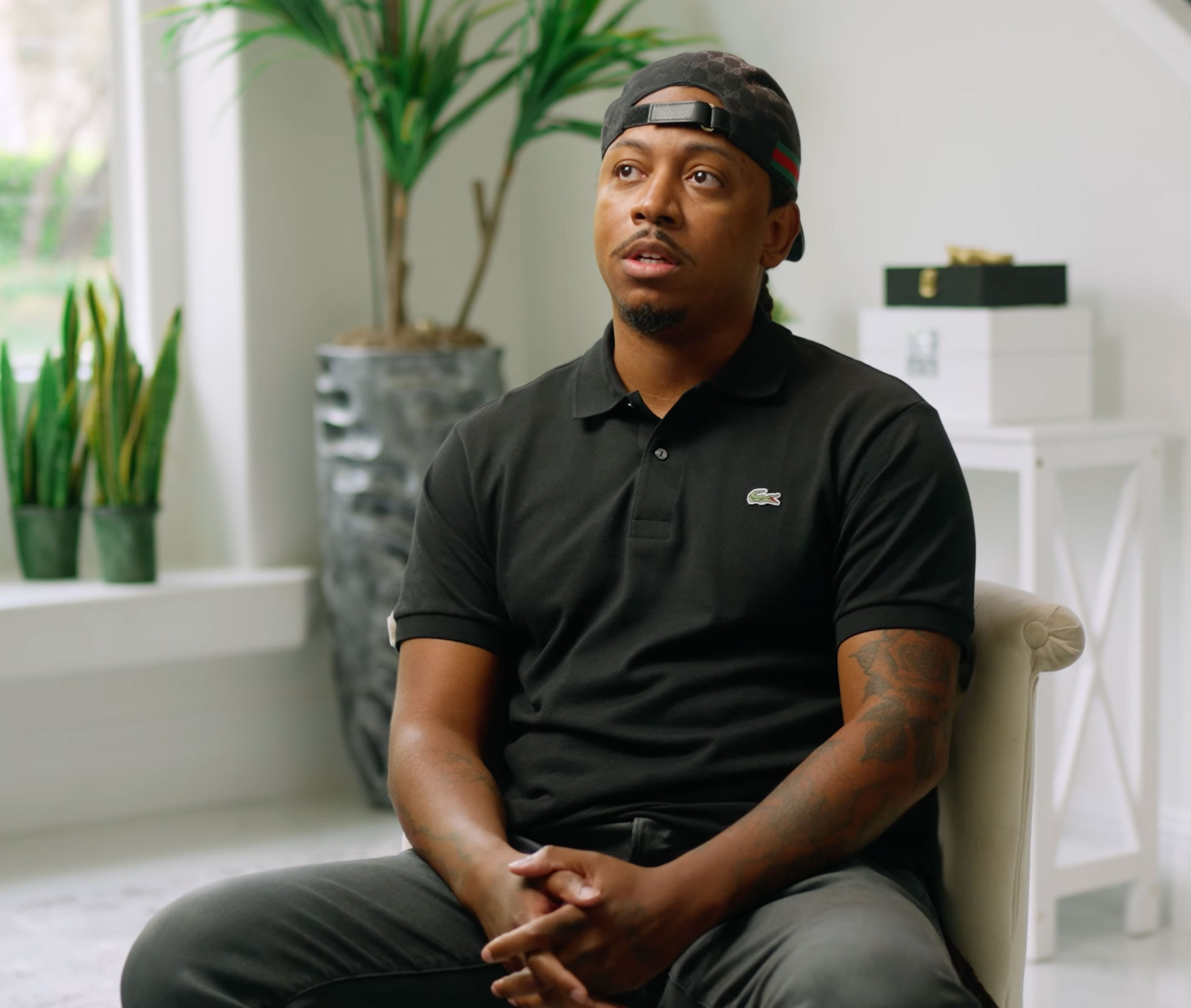
A traumatic brain injury changes daily life in ways that are hard to explain to someone who has not lived it. Below, clients we've represented share what it was like to work with our team, from proving the injury was real to securing the resources their recovery required.


+$
M
No Fee

why we are a top-rated Orlando personal injury firm
Our attorneys are experienced trial lawyers, not just settlement negotiators.
Deep experience with Orange County courts and local insurance adjusters.
You are not a case file. You get direct access to your attorney.
We employ the specialists (accident reconstruction, medical experts) needed to win.
Meet your Orlando Personal Injury Legal Team
%20(1).jpg)
.jpg)
How Your Brain Injury Case Works
Why you can trust this legal guide
This page is attorney-reviewed and based on real experience handling a wide range of personal injury cases (from catastrophic car accidents to complex premises liability) throughout Central Florida. All information is verified against Florida Statutes and Florida Senate Legal Resources to ensure accuracy and reliability. Reviewed by Louis Berk, Esq., Florida Bar-Licensed Attorney and founder of Louis Berk Law. You can see our verified case outcomes on this page and on our full Case Results page.
Orlando Traumatic Brain Injury Lawyer: Protecting Your Future After a TBI
.webp)
A traumatic brain injury can change your ability to think, work, and live independently in ways that are not always visible to others. The CDC reports that approximately 2.8 million people sustain a TBI-related emergency visit, hospitalization, or death each year in the United States, and the high-speed highway corridors running through Orlando, including I-4, the 408, and the 417, produce some of the most severe brain injury cases our team handles in Central Florida. If your brain injury was caused by someone else's negligence, Florida law gives you the right to pursue compensation for the full lifetime impact of that injury.
At Louis Berk Law, our Orlando traumatic brain injury lawyers work with neurologists, neuropsychologists, and forensic economists to build cases that reflect the true medical and financial scope of a TBI. Brain injury cases are not standard personal injury claims. The invisible nature of many TBIs, the delayed onset of symptoms, and the difficulty of proving long-term cognitive impairment all require a legal team with specific experience in this area. When a TBI is severe enough to meet Florida's legal definition of a catastrophic injury, our catastrophic injury attorneys in Orlando bring the additional life care planning resources those cases require.
What Is a Traumatic Brain Injury?
A traumatic brain injury occurs when an external force disrupts normal brain function. This can result from a direct blow to the head, a sudden jolt that causes the brain to strike the inside of the skull, or a penetrating injury where an object pierces the skull and enters brain tissue. Not all TBIs involve loss of consciousness, and many of the most consequential brain injuries produce symptoms that develop gradually over days or weeks.
The Glasgow Coma Scale (GCS) is the standard medical tool used to classify TBI severity:
- Mild TBI (GCS 13-15): Includes concussions. Symptoms may include headaches, dizziness, confusion, memory problems, and sensitivity to light or noise. Most mild TBIs resolve within weeks, but 15 to 30 percent of patients develop persistent post-concussion syndrome.
- Moderate TBI (GCS 9-12): Loss of consciousness lasting minutes to hours. Cognitive deficits, behavioral changes, and physical impairments that may last months or become permanent.
- Severe TBI (GCS 3-8): Extended unconsciousness or coma. Often results in permanent cognitive, physical, and behavioral disabilities. May require lifelong medical care and assistance with daily living.
Our content team, which includes a medical professional, emphasizes that early diagnostic imaging is critical after any head trauma. Standard CT scans detect bleeding and fractures but often miss diffuse axonal injury, the most common cause of long-term cognitive problems after TBI. MRI and advanced neuroimaging techniques such as DTI (diffusion tensor imaging) can reveal damage that CT scans cannot.
Common Causes of Traumatic Brain Injuries in Orlando
The most common causes of traumatic brain injuries in Central Florida include motor vehicle collisions, falls, and acts of violence. The severity of a TBI is directly related to the force and mechanism of impact.
- Car and truck accidents: High-speed collisions on I-4, the 408, and the 417 are the leading cause of moderate and severe TBI in Orange County. The brain can be injured even when the skull is not fractured, through rotational forces that shear axonal connections.
- Motorcycle accidents: Riders without helmets face a significantly higher risk of TBI. Even helmeted riders can sustain concussions and moderate TBIs from the forces of impact.
- Pedestrian and bicycle accidents: The lack of any protective structure makes pedestrians and cyclists extremely vulnerable to head injuries when struck by a vehicle.
- Slip and fall accidents: Falls are the leading cause of TBI among older adults and young children. Wet floors, uneven surfaces, and missing handrails in commercial and residential properties contribute to preventable head injuries.
- Construction and workplace accidents: Falling objects, falls from height, and equipment strikes cause TBIs on job sites throughout Central Florida.
- Assaults: Intentional acts of violence, including domestic violence, account for a significant percentage of TBIs.
Whether your brain injury resulted from a passenger vehicle collision or a commercial trucking accident, our car accident lawyer in Orlando and truck accident attorney understand how to investigate the specific forces involved and build the medical evidence your case requires.
Why TBI Cases Are Medically and Legally Complex
Traumatic brain injury cases present unique challenges that distinguish them from other personal injury claims. The primary difficulty is proving the existence, severity, and permanence of an injury that may not appear on standard imaging and whose symptoms can fluctuate over time.
Mild TBI is the most legally challenging category. A concussion victim may have a normal CT scan, appear functional in a brief medical appointment, and still experience debilitating cognitive problems that prevent them from returning to their previous occupation. Insurance adjusters routinely point to normal imaging and say the injury does not exist or has resolved. Countering this requires neuropsychological testing, which evaluates memory, attention, processing speed, executive function, and emotional regulation through standardized clinical assessments.
Moderate and severe TBIs present different challenges. The existence of the injury is typically not in dispute, but its long-term prognosis is. Insurance carriers argue that the victim will recover more function than medical evidence supports, in order to reduce the lifetime cost projection. Life care planners and treating neurologists provide the evidence needed to counter this.
Attorney Louis Berk has handled TBI cases where the insurance company's initial medical examiner concluded the victim had "fully recovered" based on a single 30-minute evaluation. Our neuropsychological testing, conducted over multiple sessions, documented persistent deficits in memory, processing speed, and executive function that made returning to work impossible. In one case, our team secured a $3,500,000 settlement for a driver who sustained a moderate-to-severe traumatic brain injury and permanent cognitive impairment after being struck by a commercial tractor-trailer on I-4.
The 14-Day Rule: Why Early Medical Treatment Matters for TBI
Florida's Personal Injury Protection (PIP) system requires that you seek medical treatment within 14 days of an accident to qualify for PIP benefits under §627.736. For brain injury victims, this deadline creates a specific risk: TBI symptoms often develop gradually, and someone who feels "fine" after a crash may not realize they have a brain injury until days or weeks later.
If you were in an accident involving any head impact, seek medical evaluation within the 14-day window even if your symptoms seem minor. Document every symptom: headaches, dizziness, confusion, difficulty concentrating, mood changes, sleep disruption, and sensitivity to light or noise. These early records become critical evidence if symptoms worsen and a TBI diagnosis follows.
How HB 837 Affects Brain Injury Cases in Florida
Florida's 2023 tort reform (HB 837) directly impacts TBI claims through two mechanisms. First, the modified comparative negligence rule under §768.81(6) bars recovery entirely if the injured person is found 51% or more at fault. In motorcycle TBI cases, insurers argue that not wearing a helmet contributed to the severity of the brain injury. In pedestrian cases, they argue the victim was jaywalking or distracted.
Second, the medical damages evidence rule under §768.0427 limits recoverable medical expenses to amounts actually paid, not amounts billed. For TBI patients with hundreds of thousands of dollars in hospital bills that were negotiated down through insurance or letters of protection, this rule reduces the starting point for settlement calculations.
The statute of limitations for TBI claims is two years from the date of injury under §95.11. For brain injury victims who are hospitalized, in rehabilitation, or cognitively impaired following the accident, this deadline can approach faster than families realize. Consulting an attorney early preserves your rights even while the full extent of the injury is still being assessed.
What Compensation Can You Recover for a Brain Injury?
Traumatic brain injury victims in Florida can recover compensation for the full spectrum of current and future damages caused by the injury. The available categories depend on the severity and permanence of the TBI.
- Emergency and acute medical care: ER visits, hospitalization, surgery (including craniotomy or decompressive craniectomy), ICU stays, and diagnostic imaging.
- Rehabilitation: Inpatient and outpatient neurological rehabilitation, cognitive therapy, speech therapy, occupational therapy, and physical therapy. Severe TBI patients may require years of rehabilitation.
- Ongoing medical care: Neurologist visits, medication management (anti-seizure, antidepressant, cognitive enhancers), neuropsychological monitoring, and follow-up imaging.
- Lost earning capacity: Not just current lost wages, but the projected lifetime earnings the victim can no longer achieve due to cognitive impairment. A forensic economist calculates this based on the victim's age, education, career trajectory, and the specific cognitive deficits documented by neuropsychological testing.
- Pain and suffering: Physical pain, emotional distress, anxiety, depression, personality changes, and loss of enjoyment of life.
- Home care and assistance: For moderate and severe TBI, costs of in-home nursing care, personal care attendants, and supervision to ensure safety.
- Adaptive equipment and home modifications: Cognitive aids, safety modifications, and assistive technology.
- Loss of consortium: The spouse's claim for loss of companionship and the marital relationship, which is often profoundly affected by a TBI that changes personality and cognitive function.
In another case, we recovered $2,100,000 for a pedestrian who suffered a diffuse axonal injury, chronic speech difficulties, and short-term memory loss after being struck by a distracted driver in Orlando.
How Louis Berk Law Handles Brain Injury Cases
At Louis Berk Law, we approach every TBI case by building the medical-legal foundation first. Before we send a demand letter or file a lawsuit, we ensure that the medical evidence is complete, the long-term prognosis is documented, and the lifetime cost projection is supported by expert analysis.
We work with treating neurologists to establish the diagnosis and severity of the TBI. We retain neuropsychologists to conduct comprehensive cognitive testing that documents the specific deficits: memory, attention, processing speed, executive function, and emotional regulation. We engage life care planners to project the full lifetime cost of treatment, rehabilitation, and support services. And we bring in forensic economists to calculate lost earning capacity.
This preparation serves two purposes. First, it builds a case that can withstand the insurer's inevitable attack on the severity and permanence of the injury. Second, it creates the leverage needed to negotiate a settlement that actually covers the victim's lifetime needs. When insurers refuse to offer fair compensation, we are prepared to present this evidence to a jury.
If your situation involves a different type of injury, our personal injury attorney in Orlando is ready to help, and you can review our case results to see how we have fought for families across Central Florida.
When a Brain Injury Leads to Wrongful Death
.webp)
Severe traumatic brain injuries are fatal in a significant percentage of cases. When a TBI caused by someone else's negligence results in death, the deceased person's estate can pursue a wrongful death claim under Florida's Wrongful Death Act (§768.16-768.26). Surviving family members may recover compensation for lost financial support, loss of companionship, mental pain and suffering, and funeral expenses.
Disclaimer: This page is for general informational purposes only and does not constitute legal advice. Every case is different. For advice about your specific situation, contact a licensed attorney. Prior results do not guarantee a similar outcome.

Frequently Asked Questions
How much does it cost to hire a brain injury lawyer?
Does Florida's comparative negligence law affect brain injury cases?
Can I file a brain injury claim if my CT scan is normal?
How long do I have to file a brain injury lawsuit in Florida?
How much is a brain injury case worth in Florida?
What are the signs of a traumatic brain injury after an accident?
***By providing a telephone number you are consenting to be contacted by SMS text message. Message & data rates may apply. You can reply STOP to opt-out of further messaging and get more help by sending HELP.
