
Deltona Personal Injury Lawyer
1240 E Normandy Blvd, Suite 119, Deltona, FL 32725

1240 E Normandy Blvd, Suite 119, Deltona, FL 32725
Bitten by a dog in Orlando? Florida law holds owners strictly liable, even for a first-time bite. We handle the insurance claim and fight back against provocation or trespassing defenses to recover full compensation.
Millions Recovered
No Fees Unless We Win
24/7 Free Consultation
Bilingual Team (Hablamos Español)
Start your journey to the support you need.


.2412131251204%201.svg)


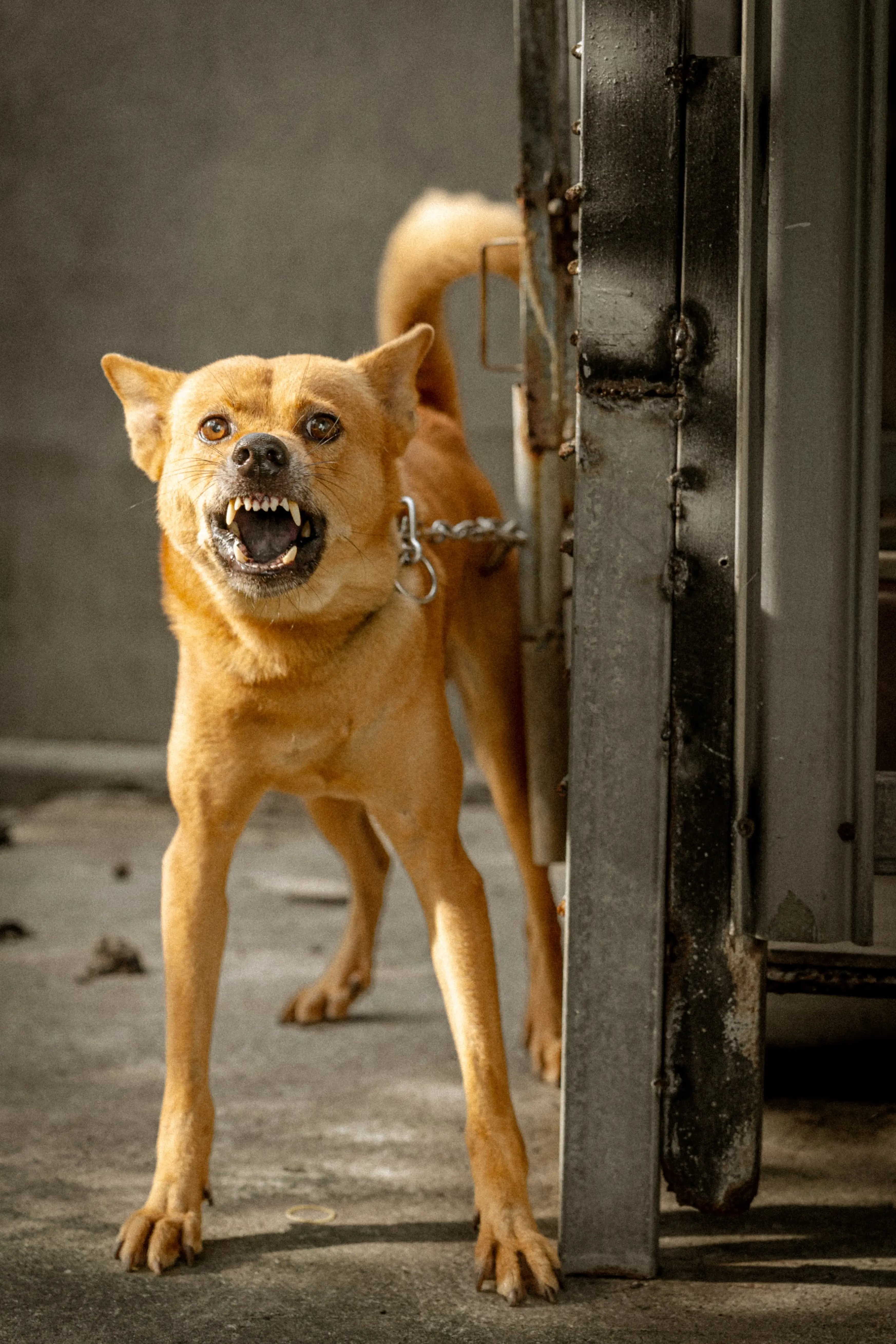
Dog bite injuries can be devastating, especially for children. Louis Berk Law has fought for dog bite victims throughout Central Florida to recover the full compensation they deserve from negligent dog owners and their insurers.
$
$
$
$
Dog bite injuries range from minor punctures to severe scarring and nerve damage, and every case depends on how well the details were documented early on. Below, clients we've represented share what it was like to work with our team, from the first call through the resolution of their claim.


+$
M
No Fee

Our attorneys are experienced trial lawyers, not just settlement negotiators.
Deep experience with Orange County courts and local insurance adjusters.
You are not a case file. You get direct access to your attorney.
We employ the specialists (accident reconstruction, medical experts) needed to win.
This page is attorney-reviewed and based on real experience handling a wide range of personal injury cases (from catastrophic car accidents to complex premises liability) throughout Central Florida. All information is verified against Florida Statutes and Florida Senate Legal Resources to ensure accuracy and reliability. Reviewed by Louis Berk, Esq., Florida Bar-Licensed Attorney and founder of Louis Berk Law. You can see our verified case outcomes on this page and on our full Case Results page.
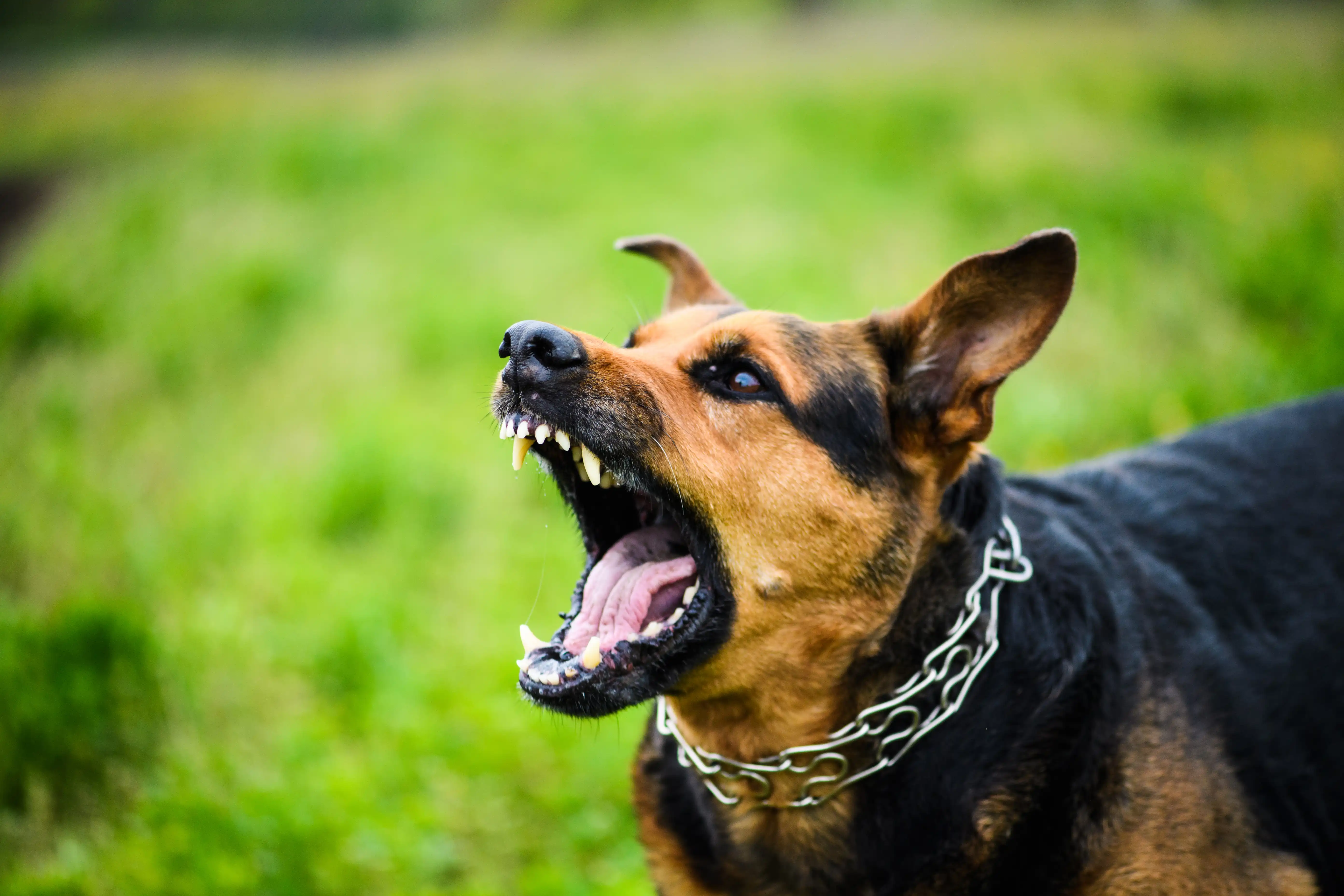
Florida's dog bite statute makes owners responsible for bites that happen in a public place or while the victim is lawfully on private property. Under Florida Statute §767.04, the owner's liability does not depend on whether the dog had bitten anyone before. In Orlando, where residential communities, rental properties, and tourist areas bring people into contact with unfamiliar dogs, that protection matters. Many dog bite claims are paid through the dog owner's homeowners or renters insurance, so the claim is usually handled against that policy rather than the owner personally. As an Orlando personal injury attorney, our team handles dog bite cases in English and Spanish: hablamos español.
A dog bite lawyer Orlando victims contact early preserves evidence like animal control records and witness statements before they disappear. An Orlando dog bite lawyer also identifies every insurance policy likely to apply, since homeowners, renters, and commercial liability coverage all handle dog bite claims differently.
Florida is a strict liability dog bite state under §767.04, which means the owner is responsible regardless of whether the dog had bitten anyone before. In a one-bite state such as Texas, the injured person generally must show that the owner knew or should have known the dog was dangerous. In Florida, the first bite can establish liability, subject to the defenses discussed below.
The difference shapes the claim from its first day. In a one-bite state, the case often turns on the dog's history. In Florida, the central questions are where the bite happened, whether the victim was lawfully present, and whether any defense applies.
Under Florida Statute §767.04, an owner is liable when the dog bites a person in a public place or while that person is lawfully on or in a private place, including the owner's property. The statute applies regardless of the dog's former viciousness or the owner's knowledge of it.
A person is lawfully on private property when they are there to perform a duty imposed by Florida or federal law, such as a mail carrier's delivery, or when they are on the property by the owner's express or implied invitation. Invited guests fall within that definition, but each case turns on its facts.
An owner can limit liability under §767.04 by displaying a "Bad Dog" sign in a prominent place on the premises, if the sign is easily readable. That protection does not apply to a person under the age of 6, and it does not apply when the damages are caused by the owner's own negligent act or omission.
A sign is not automatically enough. Courts have treated whether a warning was adequate as a question a jury can decide, so the presence of a sign does not end the analysis.
If the person was not lawfully on the property, the strict liability rule in §767.04 may not apply. That does not end the claim automatically. Other legal theories depend on the facts, so the circumstances of the bite should be reviewed as early as possible.
Under Florida Statute §767.01(1), a dog owner is liable for any damage the owner's dog does to a person. The text of the statute does not require proof that the owner was negligent, which matters when a dog jumps on or knocks down a person without biting. Under §767.01(2), an owner who knows the dog has dangerous propensities must keep the dog securely confined in a proper enclosure.
These cases often involve older adults. A knockdown can cause a fractured hip or wrist, and a head injury from striking the ground can cause lasting harm. When the facts support it, a claim under this statute can be pursued alongside other theories.
The dog's owner is the primary party under §767.04 and §767.01. Other parties can share responsibility in some situations, depending on who controlled the dog or the place where the attack happened.
Our team investigates whether parties beyond the owner share responsibility. Attacks in shared community spaces and rental properties often involve more than one potentially responsible party, and identifying them early affects how the claim is handled.
Under Florida Statute §767.12, the local animal control authority investigates a reported attack and decides whether to classify the dog as dangerous. The owner can request a hearing before the classification becomes final. A dog that has bitten a person and left a bite mark scoring 5 or higher on the Dunbar bite scale is subject to immediate confiscation under the statute.
A dangerous dog classification requires the owner to register the dog each year, keep it in a proper enclosure with warning signs, carry liability insurance of at least $100,000, and muzzle the dog when it is outside the enclosure. The local government may charge an annual registration fee.
Under Florida Statute §767.13, an owner of a previously declared dangerous dog who allows it to attack or bite a person without provocation commits a first-degree misdemeanor. More serious charges can apply if the attack causes severe injury or death. A prior classification can also be evidence that the owner had notice of the risk, which can matter in a later victim's claim.
Reporting the bite to animal control starts this process. Our team checks whether the dog has prior reports or citations, because those records can be important evidence.
A dog bite claim based on Florida's statutory strict liability can have a four-year limitations period under §95.11(3)(e), while a claim pleaded as negligence has a two-year period under §95.11(5)(a). Because a case can be presented under either theory, we recommend acting within two years of the bite.
The two-year period under §95.11(5)(e) applies to wrongful death claims. If a dog attack causes a death, the family should act quickly. Our wrongful death lawyers in Orlando handle these cases.
HB 837 took effect on March 24, 2023. For negligence claims arising from accidents on or after that date, the limitations period is two years under §95.11(5)(a). Florida's modified comparative negligence rule under §768.81(6) bars recovery when a plaintiff is found more than 50 percent at fault.
Florida replaced the provocation defense with comparative negligence in 1993. When an insurer argues that the victim provoked the dog or was trespassing, it is raising comparative fault, and a victim found more than 50 percent at fault in a negligence claim can recover nothing under §768.81(6). Those facts need to be documented early.
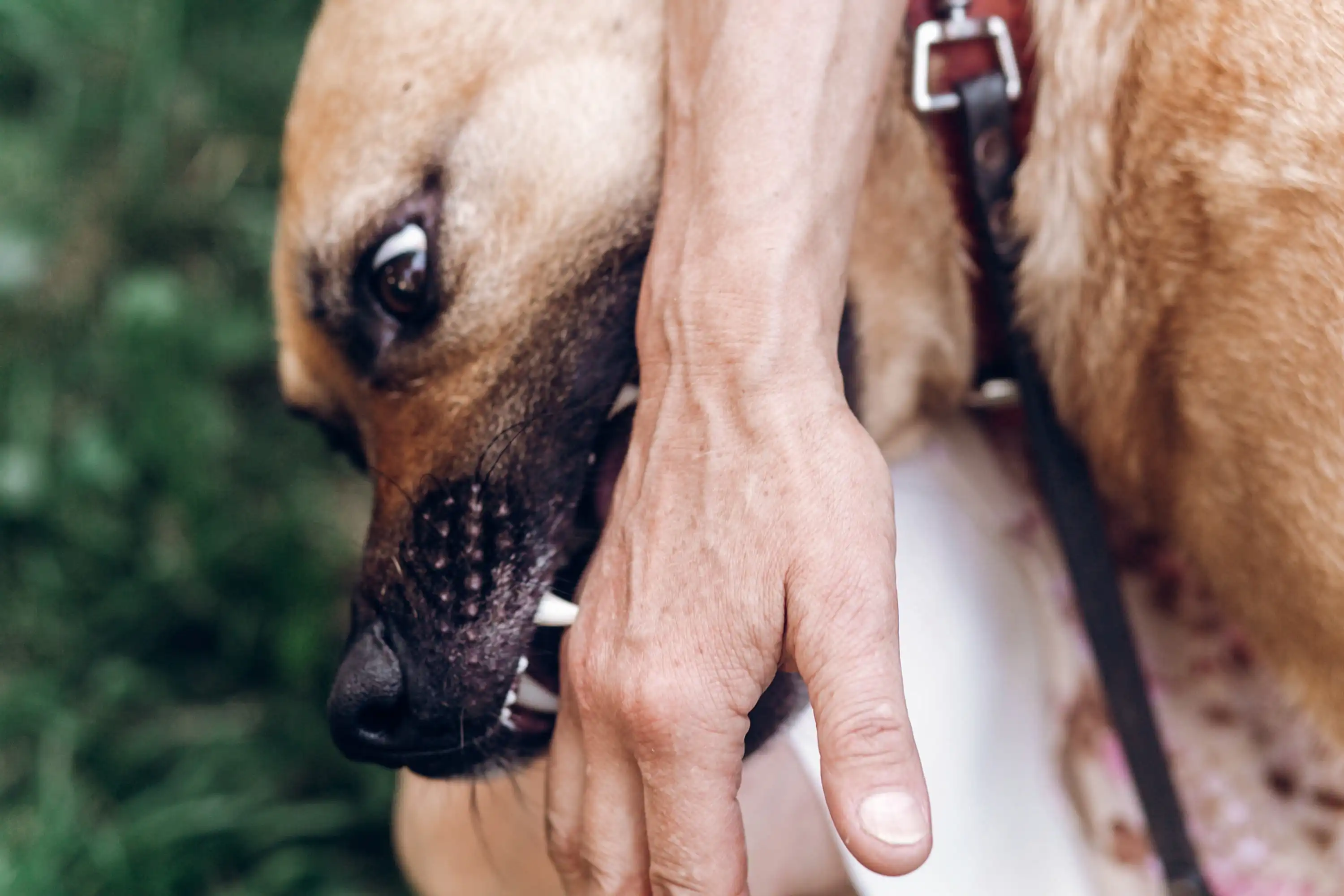
Florida law gives young children additional protection. Under §767.04, the "Bad Dog" sign defense does not apply to a person under the age of 6. A young child cannot read or understand a warning sign, so a posted sign does not protect the owner against a child's claim.
Because of their height, children are often bitten on the face, head, and neck. Those bites can cause permanent scarring and may require reconstructive surgery over several years.
The statute of limitations for a minor may be tolled under §95.051 in limited circumstances. Families should not rely on tolling. The dog's history, witness recollections, and medical records are easiest to document in the months after the bite.
If your child was bitten, do not negotiate directly with the owner or the insurer. Fear of animals, nightmares, and avoidance behaviors can require treatment over time, and an early offer often does not account for those needs.
Dog bite injuries in Florida can include deep lacerations, nerve damage, permanent scarring, serious infections, and psychological trauma. Some of these effects continue long after the physical wounds heal.
Lacerations and puncture wounds are a common physical injury, especially to the hands, face, and neck. Deep bites can damage tendons and underlying structures.
Nerve damage from bites to the hands or face can cause lasting loss of sensation or function. These injuries often require specialized surgery and extended rehabilitation.
Scarring and disfigurement carry significant weight in facial bite cases. Multiple reconstructive procedures may be needed over several years.
Infections are a serious risk. Bacteria such as Pasteurella, MRSA, Streptococcus, and Staphylococcus can cause rapid infections, and tetanus and rabies exposure are additional concerns.
PTSD and psychological trauma, including fear of dogs, nightmares, and anxiety, affect many victims, especially children. These damages belong in the claim when they are documented.
In severe attacks, victims may suffer amputations or die. If a dog attack causes a death, the family can pursue a wrongful death claim for funeral expenses, loss of companionship, and lost economic support. Victims attacked on public walkways can also review our pedestrian accident lawyers page for similar claims involving public spaces. Severe injuries can fall within our catastrophic injuries practice, and attacks that cause head trauma are handled by our brain injury lawyers in Orlando.
Dog bite victims in Florida can recover compensation for medical expenses, lost income, pain and suffering, and, in cases involving scarring, disfigurement and emotional harm.
Not every dog bite requires surgery, and the settlement value for a minor bite without surgical repair follows a similar pattern to a slip and fall settlement without surgery in Florida, where medical documentation and the length of recovery drive the number more than any single injury label. Insurers often argue a non-surgical case carries little value, but consistent treatment records and a clear link between the bite and ongoing symptoms still support meaningful compensation.
Economic damages include emergency care, surgery, antibiotics, rabies vaccination when needed, reconstructive surgery, physical therapy, and lost wages during recovery. If the injury caused permanent nerve damage or loss of function in the hand or arm, diminished earning capacity can also be recoverable.
Non-economic damages include pain and suffering, emotional distress, disfigurement and scarring, loss of enjoyment of life, and PTSD. In fatal attacks, the family can file a wrongful death claim.
The value of a dog bite claim depends on the severity of the injury, whether reconstructive surgery is needed, whether scarring is permanent, the victim's age, and the facts of the encounter. As your personal injury attorney in Orlando, we evaluate those facts during a free consultation and do not promise any particular outcome.
Many dog bite claims are paid through the dog owner's homeowners or renters insurance policy, which means the claim is usually made against that policy rather than against the owner personally. If the attack happened in an HOA common area, the association's policy may also be relevant. If the owner has no insurance, recovery options are more limited and depend on the owner's assets.
Many clients worry about getting a neighbor in trouble. The claim is generally made against the insurance policy the owner has paid for, and our team handles communication with the insurer so the victim does not have to.
Renters insurance often covers a dog bite claim when the dog owner rents rather than owns their home, since most renters policies include the same liability coverage homeowners policies provide. Our guide on does renters insurance cover personal injury Florida explains what this coverage typically includes.
After a dog bite in Orlando, get medical care first, report the bite to animal control, and speak with an attorney before giving any statement to the owner's insurance company.
Get medical care immediately. Dog bite wounds can become infected quickly. The medical record from the day of the bite documents the injury and anchors your claim.
Report the bite. Orange County Animal Services can be reached at (407) 836-3111, and animal-related issues can be reported by calling 311. Bite reports can be filed through the Orange County Animal Services bite report page. If the bite happened outside Orange County, contact the animal control agency for that city or county. The report creates an official record of the incident.
Identify the dog and the owner. Get the owner's name, address, and homeowners or renters insurance information if you can. If the owner is unknown, give animal control as much information as possible about the dog and where the bite happened.
Document the injury. Photograph the wound before it is cleaned and after treatment, track healing over time, and keep every medical bill and record.
Gather witnesses. Bystanders in parks, on sidewalks, and in common areas may have seen the attack.
Do not give statements to the insurer. Speak with an attorney before giving a written or recorded statement to the owner's insurance company.
Contact Louis Berk Law. Records of a dog's prior incidents, veterinary records, and neighbor accounts of the dog's behavior are evidence that should be preserved early. Contact us for a free case review.
Central Florida dog bite attorneys handle cases well beyond downtown Orlando, including neighborhoods in Alafaya, Lake Nona, Dr. Phillips, and unincorporated Orange County. An Alafaya dog bite lawyer who already knows the local animal control reporting process moves faster than one encountering Orange County's procedures for the first time.
Each of these communities applies the same Florida strict liability statute, but local animal control agencies, homeowners' association rules, and even rental property management practices vary enough to affect how quickly a claim moves. Our team handles dog bite claims throughout Central Florida with the same local knowledge, regardless of which city or neighborhood the attack occurred in.
At Louis Berk Law, we handle dog bite cases in Orlando on a contingency fee basis. You pay nothing unless we recover compensation for you. Our bilingual team serves clients throughout Central Florida in English or Spanish from the first consultation through resolution.
Our process includes checking animal control records for prior incidents, identifying every potentially liable party (the owner, their insurer, any HOA, landlord, or dog walker), documenting your injuries and treatment timeline, and responding to any insurer argument that the victim provoked the dog or was not lawfully present. You can review our case results to see how we have handled these claims.
Our team serves Orlando, Deltona, and communities across Central Florida. If you or your family prefer to handle the case in Spanish, our team is available from the initial consultation through resolution. Hablamos español.
Contact us for a free case review. No fees unless we win.
Disclaimer: This page is for general informational purposes only and does not constitute legal advice. Every case is different. For advice about your specific situation, contact a licensed attorney. Prior results do not guarantee a similar outcome.