




Key Takeaways: PIP Coverage in Florida
- PIP pays 80 percent of reasonable medical bills and 60 percent of lost income, up to $10,000, regardless of fault under §627.736.
- You must receive initial medical care within 14 days of the crash, or the insurer owes nothing for your treatment.
- The full $10,000 requires a finding of an emergency medical condition by a qualifying provider, and without it the cap drops to $2,500.
- Insurers must pay or deny within 30 days of written notice, and a demand letter under §627.736(10) is required before suing.
- Florida did not repeal PIP in 2026, so the no-fault system and the $10,000 requirement remain in place.
- PIP does not pay for vehicle damage and generally does not cover motorcycle riders, so other coverage and claims matter.


PIP Coverage in Florida: Complete 2026-2027 Guide
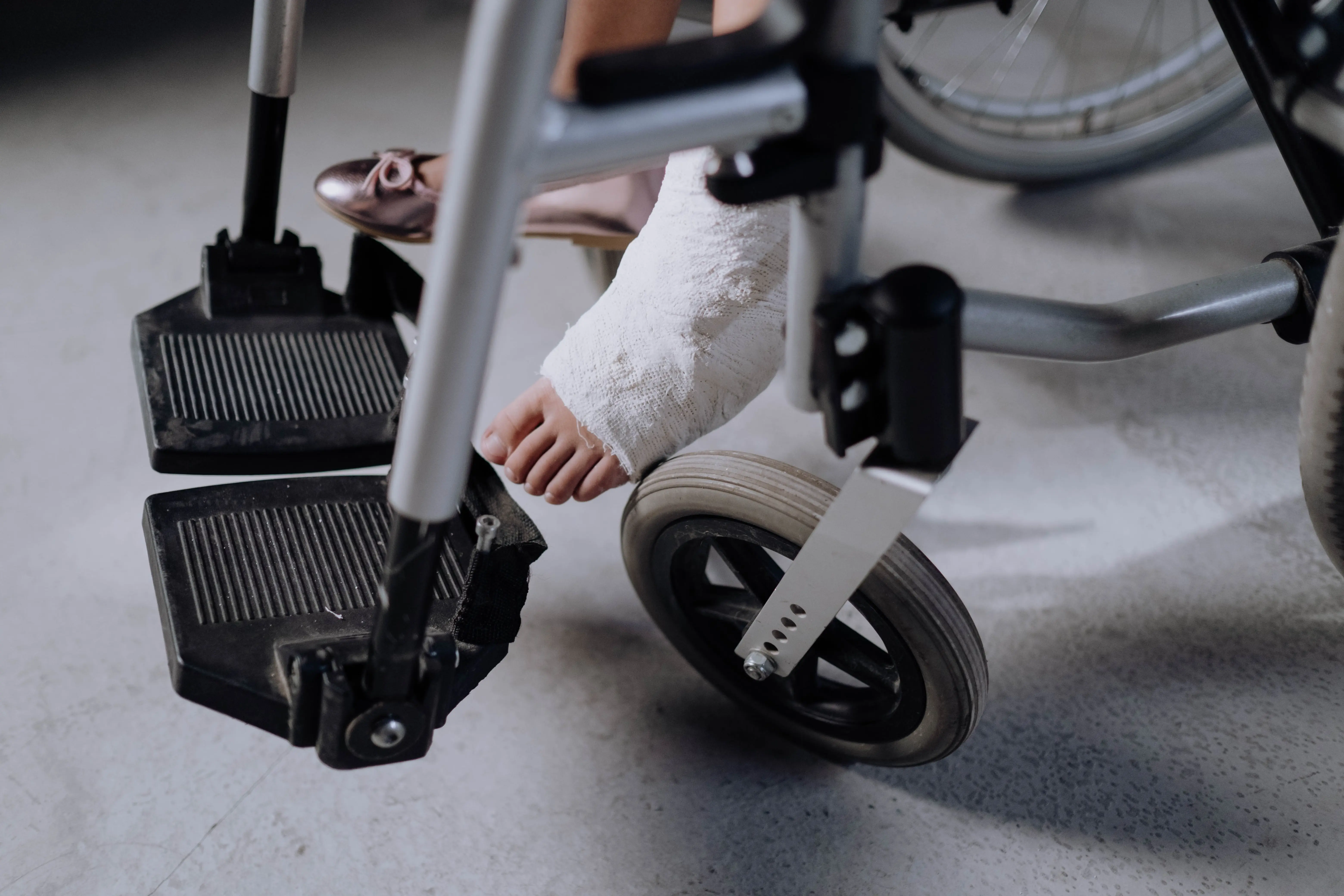
Personal injury protection (PIP) is the first insurance to pay after a Florida car crash, and it pays whoever was at fault. Every policy for a standard passenger vehicle includes it, and it covers up to $10,000 in medical bills and lost income.
Florida did not repeal PIP in 2026. Bills to end the no-fault system, including SB 522 and HB 769, died in committee, so the rules in this guide are the rules for the 2026-2027 policy year.
At Louis Berk Law, we handle PIP problems every week, from denied claims to missed deadlines to adjusters who stop paying early. This guide explains what PIP covers, who qualifies, the 14-day rule, the $2,500 limit, and what to do when an insurer refuses to pay.
What Is PIP Coverage in Florida?
PIP is no-fault insurance and pays 80 percent of your reasonable medical bills and 60 percent of your lost income, up to $10,000, after a crash. It pays from your own policy, so you do not wait for a fault finding or a settlement.
Florida requires every owner of a four-wheel registered vehicle to carry it under §627.733. Along with PIP, drivers must carry $10,000 in property damage liability. Florida does not require bodily injury liability for most drivers, which is why PIP sits at the center of the system. Our guide to uninsured motorist coverage in Florida explains how optional coverage fills the gaps PIP leaves.
What PIP Covers
PIP covers four kinds of benefits: medical expenses, disability benefits, replacement services, and a death benefit. The table below shows each benefit, the amount, and the main condition attached to it.
These figures come from §627.736. PIP is primary coverage, so it pays ahead of your health insurance, and workers' compensation benefits are credited against it.
PIP never pays for vehicle damage. Repairs fall under your collision coverage or the at-fault driver's property damage liability, which is a separate $10,000 minimum under §324.022.
Who PIP Covers
PIP covers the named insured, resident relatives, passengers, and many pedestrians and bicyclists struck by an insured vehicle. The policy attached to the vehicle usually pays, and the details turn on who owns what.
- You and relatives living in your household are covered under your policy, including when you are hit as a pedestrian in Florida
- Passengers who do not own a vehicle are covered by the policy on the vehicle they ride in
- A Florida resident struck by an insured vehicle while outside a self-propelled vehicle is covered by the struck-by vehicle's policy, unless the person owns a vehicle requiring PIP
- An owner who skipped coverage loses protection from lawsuits and becomes personally liable for the PIP benefits, as §627.733 provides
Our pedestrian accident and bicycle accident clients often start with a PIP question, so we review every household policy in the first week.
Does PIP Cover Motorcycle Riders?
Generally no. Florida defines a motor vehicle for PIP purposes as a self-propelled vehicle with four or more wheels under §627.732, so motorcycle owners are not required to carry PIP and riders usually fall outside the system.
Riders rely on health insurance, medical payments coverage if they bought it, and a claim against the at-fault driver. Our motorcycle accident team checks every policy in the household before advising a rider on the first steps.
The 14-Day Rule
You must receive initial medical care within 14 days of the crash to keep any PIP medical benefits. Miss the window and the insurer owes nothing for your treatment, regardless of how serious the injury turns out to be.
The rule exists because soreness and stiffness often take days to appear. Insurers know this, and they deny claims filed on day 15 without hesitation.
Initial care means an examination or treatment by a provider the statute lists, such as a physician, dentist, chiropractic physician, advanced practice registered nurse, hospital, or emergency service. The 14 days run from the date of the crash, not from the date you noticed pain. If you hurt anywhere after a crash, book an appointment immediately and keep the paperwork.
The $10,000 Versus $2,500 Limit
PIP pays up to $10,000 only if a qualifying provider finds an emergency medical condition. Without the finding, the cap drops to $2,500.
A physician, dentist, physician assistant, or advanced practice registered nurse makes the call. A provider who finds no emergency medical condition limits the insurer's payment to $2,500, even when the treatment bills are higher. Chiropractors provide initial care, but the statute does not list them among the providers who determine an emergency medical condition.
This is the most common reason people lose benefits. An urgent care visit ending in a "no emergency" note locks in the lower cap, and the paperwork from the first visit follows you through the claim. We read the first medical record carefully, because the language in it decides the limit.
Which Treatment PIP Pays For

PIP pays for medically necessary care from licensed providers listed in §627.736. Follow-up care by providers such as physical therapists generally needs a referral or direction from a listed provider.
Massage therapy and acupuncture are excluded from PIP medical benefits regardless of who provides them. Insurers also pay providers under fee schedules tied to Medicare, so a clinic bill and the amount PIP pays are different numbers. Hospitals, emergency transport, physicians, and outpatient services each follow their own schedule.
The 80 percent medical rate applies to the allowed amount, so a bill of $1,000 does not always produce $800 from the insurer. When the insurer limits payment to the schedule, the provider cannot bill or collect the excess from you, apart from the 20 percent coinsurance and amounts above your policy limit. Ask a clinic how it bills PIP before the first visit.
PIP Deductibles and Optional Elections
Insurers must offer PIP deductibles of $250, $500, and $1,000 under §627.739. A deductible applies to 100 percent of your covered expenses and losses, and the $10,000 limit applies after you meet it.
A named insured also chooses whether to apply a deductible to only himself or herself or to resident dependent relatives as well. Another election removes lost income benefits in exchange for a lower premium. Each election lowers the premium, and each one lowers your protection after a crash.
Check your declarations page before you need it. A $1,000 deductible on a $4,000 emergency bill leaves you paying the first $1,000 before PIP starts.
PIP, Health Insurance, and MedPay
PIP pays first, and health insurance picks up the bills PIP leaves behind. Once your $10,000 is spent, or the 20 percent coinsurance applies, send the remaining bills to your health plan and tell the plan the crash caused them.
Medical payments (MedPay) coverage is an optional add-on on some policies and pays additional medical costs after PIP. Look for it on your declarations page, because few drivers realize they bought it. Our personal injury claim guide explains how those bills feed into the larger claim.
How to File a PIP Claim
You file a PIP claim by reporting the crash to your insurer, receiving treatment within 14 days, and returning the forms the adjuster sends. Most claims stall on missing paperwork, so speed matters.
- Report the crash to your insurer and ask for a PIP claim number
- See a physician, urgent care, or emergency room within 14 days
- Complete the PIP application and sign the assignment or disclosure forms the provider presents
- Send wage information if you lost income, since the insurer asks the employer for a sworn statement
- Keep copies of every bill, record, and letter
- Attend any independent medical examination the insurer schedules at its own cost
Insurers have 30 days after receiving written notice of a covered loss to pay or deny. An overdue payment earns interest, and a partial payment or denial requires an itemized explanation from the insurer. Disability payments are due at least every two weeks.
What to Do If the Insurer Denies or Stops Paying
Demand payment in writing, and if the insurer still refuses, a formal demand letter starts the legal clock. Many PIP denials rest on a records dispute or an independent medical exam, and both are fixable.
Under §627.736(10), a written demand letter is a condition of suing the insurer. The letter goes by certified or registered mail after the claim becomes overdue, and the insurer then has 30 days to pay the overdue amount plus interest and a penalty capped at $250. If it pays within the window, no lawsuit follows.
Common reasons for denial include late treatment, an exam finding the care unnecessary, a missing form, or a policy exclusion. We read the denial, the policy, and the medical file side by side. Adjusters sometimes rely on a form letter, and the letter does not always match the policy.
PIP and Your Claim Against the At-Fault Driver
PIP does not limit your right to sue, but it does shape what you recover. The at-fault driver is protected from claims for losses PIP pays, and in return you recover pain and suffering only when your injury meets a legal threshold.
Under §627.737(2), a claim for pain and suffering requires one of four things:
- Significant and permanent loss of an important bodily function
- Permanent injury within a reasonable degree of medical probability, other than scarring or disfigurement
- Significant and permanent scarring or disfigurement
- Death
Your PIP insurer has no lien on your tort recovery, and you cannot recover from the at-fault driver the damages PIP paid or owes. Medical bills above the PIP limit, lost income above the limit, and pain and suffering remain in your claim. Our guides to a car accident settlement and a car accident lawsuit explain how the pieces fit together.
Deadlines Affecting Your PIP and Injury Claim
Three deadlines drive most cases, and the first one passes before many people see a lawyer.
- 14 days from the crash to receive initial medical care for PIP benefits
- 30 days for the insurer to pay or deny after written notice of a covered loss
- Two years to file a negligence lawsuit for crashes after March 24, 2023, under §95.11(5)(a)
Shared fault matters as well. Under §768.81(6), a person found greater than 50 percent at fault recovers nothing in a negligence action. PIP benefits still pay in such a case, because PIP does not depend on fault.
Records to Keep for Your PIP Claim
Organized records shorten almost every PIP dispute, because the insurer's objections usually rest on a missing document. Start a folder on day one and add to it after every appointment.
- The police report number or crash exchange information
- Your policy declarations page showing PIP limits, deductible, and elections
- The first medical record, including the date and the provider's findings
- Every bill, explanation of benefits, and payment letter
- Pay stubs or tax records proving lost income
- Receipts for household help hired because of your injury
We request the insurer's claim file when a denial arrives and compare it to your folder. A single missing page is often the entire dispute.
Mistakes Costing PIP Benefits
Four mistakes cost injured people the most, and each is avoidable:
- Waiting past day 14 for the first appointment
- Skipping the emergency room and visiting a provider who cannot determine an emergency medical condition
- Ignoring forms and independent medical exam notices from the insurer
- Letting a denial sit without a written response
A recorded statement is another trap. Adjusters ask open questions, and a casual answer about prior pain or a gap in treatment reappears in the denial letter. Let an attorney review your coverage and the request before you agree.
When to Call a Lawyer
Call a lawyer when your PIP claim is denied, your benefits run out, or your injury goes beyond what $10,000 covers. PIP is a small fund, and a serious injury exhausts it quickly.
- The insurer denied or cut off your benefits
- You were told you have only $2,500 available
- Your medical bills are climbing beyond the PIP limit
- The other driver is uninsured or fled the scene
- Someone close to you died in the crash
Our car accident team starts with your policy and your first medical record, then builds the larger claim from there. Our guide to a personal injury claim explains the process step by step.
How Louis Berk Law Helps

We handle PIP disputes alongside the injury claim, so the two stay consistent. Attorney Louis Berk reviews every case personally.
We read your declarations page, request the insurer's file, and track the 14-day and 30-day deadlines for you. We take injury cases on a contingency fee, which means no fee unless we win.
Our bilingual team, including our Spanish-speaking attorney services, represents Central Florida's Spanish-speaking families as well.
Disclaimer: This page is for general informational purposes only and does not constitute legal advice. Every case is different. For advice about your specific situation, contact a licensed attorney. Prior results do not guarantee a similar outcome.
***By providing a telephone number you are consenting to be contacted by SMS text message. Message & data rates may apply. You can reply STOP to opt-out of further messaging and get more help by sending HELP.

