

%20(1).jpg)
Key Takeaways About Car Accident Lawsuits in Florida
- Florida is a no-fault state, but you can still sue the at-fault driver if your injuries meet the serious injury threshold: permanent injury, significant scarring, loss of an important bodily function, or death.
- Most Florida car accident lawsuits now have a two-year filing deadline, reduced from four years by HB 837 in March 2023. Waiting too long destroys an otherwise strong case, regardless of how clear the evidence is.
- Florida follows modified comparative negligence, which means your compensation is reduced by your share of fault. If you're more than 50% responsible, you typically recover nothing in a negligence action.
- A strong car accident lawsuit recovers both financial and personal losses, including medical bills, lost wages, reduced earning capacity, pain and suffering, and in rare cases punitive damages when the conduct was especially reckless.
- If you're served with a car accident lawsuit, act immediately: notify your insurer, protect evidence, and get legal help now. Florida court summonses require a written response within 20 calendar days of service.


Medical bills don't pause while you figure out your legal options. Neither does the statute of limitations. If you're weighing whether to file a car accident lawsuit in Florida, this guide walks through every stage: when you qualify, what the process looks like, what you can recover, and what happens if you're the one being sued.
If you're dealing with medical bills, missed work, or lingering pain after a crash, it's reasonable to wonder what legal options exist. A car accident lawsuit in Florida isn't about retaliation. It's about recovering the resources you need to rebuild your life. What you do in the early stages shapes everything that follows, so this guide walks you through the key steps, deadlines, and decisions.
What Is a Car Accident Lawsuit in Florida?
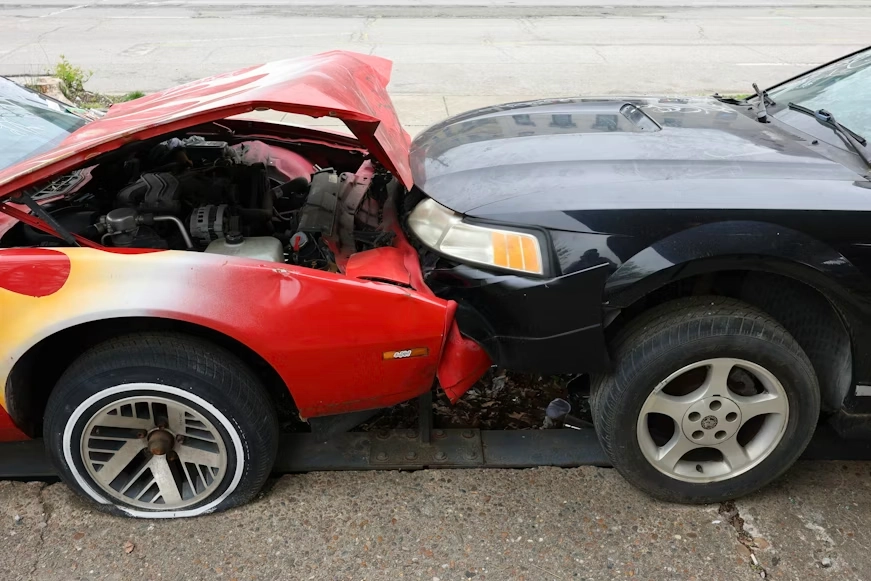
A car accident lawsuit in Florida is a civil legal action filed against the person or party responsible for causing the crash. Its purpose is to recover compensation for losses that insurance doesn't fully cover: pain and suffering, long-term medical care, or future lost earnings.
Unlike an insurance claim, a lawsuit lets you prove fault in court and demand full accountability. Not every crash qualifies, but when it does, litigation is often the only mechanism that produces a fair outcome. The sections below explain exactly when you qualify and what the process involves.
When Can You File a Car Accident Lawsuit in Florida?
You can file a car accident lawsuit in Florida if your injuries meet the serious injury threshold under Fla. Stat. § 627.737 and you file within two years of the crash. Missing either requirement ends the case before it starts.
Why Central Florida Cases Have Unique Characteristics
Car accident lawsuits filed in Orange, Seminole, and Osceola counties reflect the specific traffic environment of the Orlando metro. The I-4 corridor, which connects downtown Orlando to International Drive, the attractions district, and the 408/Florida Turnpike interchanges, is one of the most crash-prone stretches of highway in Florida. FLHSMV crash statistics consistently place Central Florida among the state's highest-volume collision regions. Commercial trucking routes, delivery fleet activity, rental vehicle drivers unfamiliar with local road patterns, and congested interchange zones generate a significant portion of the state's personal injury and auto lawsuit caseload.
Cases in the Ninth Judicial Circuit (Orange and Osceola counties) and the Eighteenth Judicial Circuit (Seminole County) are handled by judges and juries experienced with rear-end collisions, multi-vehicle pileups, and rideshare incidents. Knowing which evidence carries the most weight in these courts is part of what separates a well-prepared lawsuit from one that stalls at the discovery phase.
Florida's No-Fault Insurance System: What It Means for You
Florida is a no-fault state. After a typical crash, your own insurance covers medical bills and a portion of lost wages regardless of who caused the collision. This setup reduces minor litigation, but it also limits your right to sue. To step outside the no-fault system and file a motor vehicle accident lawsuit, your injuries must meet the serious injury threshold.
The Serious Injury Threshold (Fla. Stat. § 627.737)
Under Florida law, you're eligible to sue the at-fault driver if your injuries include any of the following:
- Permanent loss of a key bodily function.
- Permanent injury established with medical probability.
- Permanent scarring or disfigurement.
- Death.
If your injuries fall into one of these categories, you have the right to file a lawsuit and pursue full compensation beyond what PIP covers.
Two-Year Deadline to File (Updated by HB 837)
Florida previously gave crash victims four years to file a personal injury lawsuit. That changed in March 2023. Under House Bill 837, the statute of limitations for a car accident lawsuit is now two years from the date of the crash. If your accident occurred before March 24, 2023, the old four-year deadline may apply, but don't rely on that without legal confirmation. Missing this deadline eliminates your right to recovery, no matter how clear the fault.
Legal Exceptions That Extend Your Deadline
In rare circumstances, you have additional time to file, but only under specific conditions:
Delayed Injury Discovery. When injuries weren't immediately apparent, the clock starts from the date you discovered the harm, not the crash date.
At-Fault Driver Cannot Be Served. If the defendant leaves Florida or actively avoids service, the statute is paused until they're located and served.
Minor or Incapacitated Victims. When the injured person is a child or legally incapacitated, the filing window extends accordingly.
Why Fast Action Is Non-Negotiable
The earlier you engage an attorney, the stronger your position. Your legal team needs time to confirm whether your case qualifies under the threshold, ensure the deadline hasn't closed, and start building evidence before it disappears. Medical records, witness statements, and crash scene details fade or become unavailable. Ongoing treatment also reveals long-term effects that increase claim value. Every delay benefits the insurance company.
When Does a Car Accident Claim Become a Lawsuit?
Most people expect to deal with insurance. Few expect to end up in court. Understanding the line between a claim and a lawsuit, and what crosses it, is what lets you make an informed decision before the other side forces one on you.
A car accident claim is the pre-litigation process. After the crash, you or your attorney notify the at-fault driver's insurer of the accident, your injuries, and your losses. The insurer investigates and responds with an offer or a denial. Most car accident cases begin and end here. When the offer is fair and the injuries are fully documented, a settlement closes the case without any court filing.
A car accident lawsuit is filed when the claim process fails. The most common triggers are:
- The insurer denies the claim or disputes liability outright.
- The settlement offer is inadequate: it doesn't cover medical costs, lost wages, or future care needs.
- The statute of limitations is approaching and negotiations have stalled. Once filed, the lawsuit preserves your right to recover even if settlement talks continue.
- The injuries are severe and permanent, making the full damages picture impossible to establish without formal discovery tools.
Filing a lawsuit escalates the case into formal civil litigation: a complaint is filed in the appropriate Florida circuit court, the defendant is served, discovery begins, and the case moves through a defined procedural timeline. Most car accident lawsuits still settle, but they settle at better values, because the legal tools that litigation unlocks shift the negotiating dynamic.
For a detailed breakdown of how settlement value is calculated before and after a lawsuit is filed, see our complete guide to car accident settlements in Florida.
How a Florida Car Accident Lawsuit Moves Through the Courts
The Florida car accident lawsuit process runs through six stages: retaining an attorney, building your case, filing the complaint, discovery, mediation, and trial or settlement. Each stage affects what you ultimately recover.
Step 1: Hire a Lawyer Who Knows the System
The first step is hiring a car accident lawyer who handles Florida cases specifically. A strong one evaluates your injuries under the serious injury threshold, determines fault, builds your legal strategy, and works on contingency so you pay nothing unless you recover. Waiting too long to hire creates missed opportunities: lost evidence, fading witness memory, and more room for the insurer to gain ground.
Step 2: Launch the Investigation
Once you've retained an attorney, the evidentiary groundwork begins. Your legal team gathers crash reports and medical records, interviews eyewitnesses, analyzes dashcam and surveillance footage, and brings in specialists: accident reconstructionists, treating physicians, and economic analysts. When multiple drivers are involved or liability is disputed, this stage is what separates a strong case from a vulnerable one. Every piece of evidence matters. This isn't about telling a story. It's about building one that holds up under cross-examination.
Step 3: File the Complaint
When the insurer won't offer a fair settlement, your attorney files a formal complaint in civil court. That complaint names the defendant, states the legal claims, and demands specific compensation. This officially begins the lawsuit and starts the clock for the other side to respond.
Step 4: Navigate the Discovery Phase
Discovery is where each side reveals its hand. Tools include interrogatories (written questions answered under oath), depositions (sworn testimony before trial), and document requests covering everything from text messages to repair invoices. In a car accident lawsuit, discovery surfaces critical data: speed at impact, phone use, mechanical failure records, and anything the defendant's insurer gathered during its own investigation. Discovery is where cases are won or lost before anyone enters a courtroom.
Step 5: Mediation and Pre-Trial Motions
Before trial, both sides work through motions to dismiss or exclude evidence and court-ordered mediation sessions. For a Florida car accident lawsuit, mediation is often the turning point: a structured negotiation session with a neutral mediator, where both sides' costs and the uncertainty of a jury verdict create real pressure to settle. Your attorney's negotiation skills are tested most directly here.
Step 6: Trial (If Necessary)
When no agreement is reached, both sides present their case: medical records, expert testimony, crash diagrams, police reports, video, and eyewitness accounts. A verdict follows, with a damages award if you win. Complex cases run multiple days.
Step 7: Post-Trial Options
Even after a verdict, the case may continue. Either side files post-trial motions or appeals if legal errors occurred during proceedings. With solid preparation, most cases resolve before reaching this stage, but knowing the full path keeps you from making decisions based on incomplete information.
Florida-Specific Process Requirements: Discovery and Mediation
Discovery in Florida car accident cases. Under the Florida Rules of Civil Procedure, discovery tools include written interrogatories, document production requests, depositions of all parties and witnesses, and requests for admission. In car accident cases, discovery focuses on medical records, police reports, the at-fault driver's prior driving history, dashcam or surveillance footage, and the defendant insurer's internal investigation records.
Mediation is required in most Florida civil cases. Under Fla. Stat. § 44.102, courts refer civil cases to mediation before trial. The Florida Courts mediation program governs the structure of these sessions. Mediation is not binding, if no agreement is reached, the case proceeds to trial, but with both sides' legal costs and jury uncertainty in view, mediation resolves the majority of cases that survived the initial claim phase.
Florida courts and scheduling. Cases in Orange County are filed in the Ninth Judicial Circuit Court. Seminole County cases go to the Eighteenth Judicial Circuit. Osceola County is also in the Ninth Judicial Circuit. Each circuit runs its own docket schedule, and backlog can add months to the timeline. This is one more reason why the evidence-gathering and pre-suit preparation phase matters more than the trial itself for most plaintiffs.
The Role of Expert Witnesses in a Florida Car Accident Lawsuit
Expert witnesses in a Florida car accident lawsuit provide specialized testimony on accident reconstruction, medical causation, and economic damages that extend your case well beyond what lay testimony alone can establish. Without them, complex claims fall flat and juries are left guessing.
What Is an Expert Witness?
An expert witness is a person with specialized training or experience who helps clarify disputed issues. In a car accident case, they testify about how the crash occurred, the severity of injuries, the long-term medical outlook, and the financial losses the victim has suffered. Unlike standard witnesses, experts give opinions in court, explaining complex information to juries and judges in terms that support your damages case.
Types of Expert Witnesses You Need
Depending on your case, your legal team draws on multiple specialists:
- Accident Reconstruction Experts: Recreate how the crash occurred using vehicle data, physical damage, and physics.
- Medical Experts: Document your diagnosis, treatment course, and recovery trajectory.
- Economic Experts: Calculate lost earnings and future financial impact.
- Vocational Experts: Evaluate your ability to return to the same work or retrain for different employment.
- Mental Health Experts: Address PTSD, emotional trauma, and psychological harm caused by the crash.
Our content team includes a medical professional who works alongside treating physicians to build a clear, documented record of long-term harm that holds up under cross-examination.
How Experts Strengthen Your Case
In a car accident lawsuit, stating that you were hurt isn't enough. You prove it with expert testimony that survives cross-examination. Accident reconstructionists establish who caused the crash when liability is disputed. Economists quantify what you've lost in wages and what you'll never earn again. Treating physicians connect the crash to your lasting injuries in terms a jury follows. This testimony isn't supplemental. It's often the foundation of your entire damages case.
Legal Standards: Florida's Daubert Rule
Not anyone qualifies to testify as an expert. Under Florida's Daubert Standard and Florida Evidence Code §90.702, expert testimony must be based on sufficient facts or data, follow reliable scientific methods, and be properly applied to the specific case facts. Your attorney must ensure every report, opinion, and witness statement meets this bar before trial. Testimony that doesn't is excluded, and a case built around excluded experts collapses.
What If the At-Fault Driver Was Drunk?
When the at-fault driver was intoxicated, your car accident lawsuit may qualify for punitive damages under Fla. Stat. § 768.72, which increases total recovery significantly. But qualifying requires specific legal standards and a strategy built around meeting them.
DUI Equals Civil Negligence
In Florida, driving with a BAC of 0.08% or higher is a criminal offense. Beyond the criminal case, that same conduct is powerful proof of civil negligence in an automobile lawsuit. NHTSA impaired driving data shows that alcohol-impaired crashes produce disproportionately severe injuries. A DUI conviction, or even an arrest, makes establishing reckless conduct in your civil case considerably easier, clearing a path to a stronger damages claim.
Can You Seek Punitive Damages?
In standard crash cases, punitive damages are rare. In DUI cases, they're on the table. Under Fla. Stat. § 768.72, when the drunk driver's conduct shows gross negligence or intentional misconduct, the court allows punitive damages. Florida caps these awards at three times the compensatory damages or $500,000, whichever is greater. Not every DUI case reaches this threshold, but when the facts support it, the value of your lawsuit increases substantially.
In cases where a drunk driver caused a fatality, you hold a separate claim under Florida's wrongful death statute. Visit our wrongful death practice area page for a full breakdown of those claims.
What About the Bar or Restaurant?
Florida's dram shop laws are narrow. A bar, club, or liquor store faces liability only when they knowingly served alcohol to someone under 21 or served someone they knew was habitually addicted to alcohol. When either applies, your car accident case extends beyond the drunk driver to include the business that served them. These cases require extensive investigation, but they open additional compensation when the driver is underinsured.
How the DUI Criminal Case Affects Your Lawsuit
You don't need to wait for the criminal case to conclude before filing your car accident lawsuit. It's often better to act quickly, especially when you have access to the police report, breathalyzer or blood alcohol test results, and arrest records or video evidence. A DUI conviction makes establishing liability far easier in civil court. Without a conviction, you still win your case on the civil standard: preponderance of the evidence, which is a lower bar than the criminal standard of beyond a reasonable doubt.
What If the Crash Involved a Rental Car?
Rental car accidents add legal complexity because the Graves Amendment (49 U.S. Code § 30106) generally shields rental companies from liability unless the company itself was negligent in maintaining or inspecting the vehicle. Whether you were driving the rental or were hit by someone in one, identifying where liability actually falls is the starting point.
Who's Liable in a Rental Car Crash?
In most Florida accidents, the driver who caused the crash is the primary source of liability. With rental cars, the picture is more layered. The at-fault driver remains the primary defendant. The rental company is generally protected by federal law, but not always. A vehicle owner or maintenance company shares responsibility when defective equipment contributed to the crash. Your attorney identifies every potential defendant before issuing a demand.
Insurance Coverage Layers in Rental Car Accidents
Coordinating these policies requires experience. A seasoned attorney stacks available coverage to maximize recovery in a vehicle accident lawsuit.
Steps to Take After a Rental Car Crash
- Call the police and get a report, even for minor crashes.
- Seek medical treatment within 14 days to protect your PIP rights.
- Notify the rental company promptly and in writing.
- Photograph all vehicle damage and the full scene.
- Secure a copy of the rental agreement.
- Contact an attorney before making any recorded statements to the insurer.
Rental car crashes add complexity, not excuses. The right legal approach cuts through the coverage layers and protects your position.
Types of Damages You Can Recover in a Car Accident Lawsuit
Winning a car accident lawsuit requires proving both fault and damages. You document what the crash cost you financially and personally and support every category with evidence. The sections below break down what's recoverable and what proves it.
1. Economic Damages: Tangible, Documented Losses
Economic damages are verifiable losses supported by bills, receipts, and pay records. In a car accident lawsuit settlement, this is where most of the payout originates:
- Emergency room visits and surgeries.
- Ongoing physical therapy and medications.
- Lost wages from missed work.
- Reduced future earning capacity.
- Vehicle repair costs or total loss value.
- Out-of-pocket expenses including transportation to medical appointments.
Save everything from day one. Every receipt is a building block.
2. Non-Economic Damages: Personal Losses Without a Receipt
Non-economic damages are just as real, even if they're harder to quantify. These losses reflect the personal toll of your injuries and add significant value to a case involving permanent harm:
- Physical pain and suffering documented throughout recovery.
- Emotional trauma and mental health impacts.
- Loss of enjoyment of life and daily activities you can no longer do.
- Disfigurement or permanent visible scarring.
- Loss of companionship for spouses or long-term partners.
When injuries have changed your daily life, non-economic damages deserve the same evidentiary attention as your medical bills.
Punitive Damages: When the Defendant's Conduct Was Egregious
Punitive damages aren't about making you whole. They punish the wrongdoer. Florida courts award them rarely, typically in drunk driving cases, road rage incidents, or deliberate misconduct behind the wheel. Florida law caps these at three times the compensatory damages or $500,000, whichever is greater. When the facts of your auto accident lawsuit support it, your attorney should evaluate this option explicitly. For more on how settlement amounts are structured across damage categories, see our personal injury settlement guide.
The stronger your documentation, the more likely your recovery reflects your true losses. A good attorney builds the full picture of how your life changed, not just a medical bill summary.
Common Legal Defenses in Florida Car Accident Lawsuits
The most common defenses in Florida car accident lawsuits are comparative negligence, pre-existing conditions, failure to mitigate damages, and challenging the serious injury threshold. Understanding these tactics before the defense deploys them is the first step toward countering them effectively.
1. Comparative Negligence: How Shared Fault Reduces Your Recovery
Florida uses a modified comparative negligence system under Fla. Stat. § 768.81. If you're found partially at fault, your award is reduced by that percentage. If you're more than 50% at fault, you recover nothing. In a civil car accident lawsuit, this defense appears constantly. Expect the insurer to claim you were texting, speeding, ignoring road signs, or not wearing a seatbelt. Your attorney counters with evidence, expert reconstruction, and witness testimony that assigns fault accurately.
2. Pre-Existing Conditions
One of the most predictable defense tactics. The insurer claims your injuries predated the crash and weren't caused by it. Filing a claim for injuries the accident worsened is legally proper, but it requires clear medical documentation distinguishing pre-existing damage from new trauma. In automobile lawsuits involving chronic back or neck pain, this defense is nearly guaranteed. A treating physician who addresses causation directly is often essential to defeating it.
3. Failure to Mitigate: How Gaps in Treatment Hurt Your Case
Even as the injured party, the defense argues you made your injuries worse by missing appointments, ignoring medical advice, or stopping treatment prematurely. The counter is straightforward: attend every scheduled visit, follow every treatment plan, and document the recovery process completely. Consistent care is your protection against this argument.
4. Challenging the Serious Injury Threshold
Florida's no-fault system limits who qualifies to sue. When the defense argues your injuries don't meet the serious injury threshold, they're attempting to push the entire case back under PIP limits. This defense surfaces when treatment ended quickly, gaps exist in medical records, or no permanent damage was documented. Long-term medical records, clear diagnoses, and written physician opinions on lasting impact are what defeat it.
Defense Tactics at a Glance
Defense tactics don't mean defeat. With the right evidence and a prepared legal team, you counter them before they reduce your recovery.
How Long Does a Car Accident Lawsuit Take in Florida?
A Florida car accident lawsuit takes anywhere from several months to several years, depending on injury severity, disputed liability, and how hard the insurance company pushes back. Knowing what affects the timeline lets you make realistic decisions at every stage.
Typical Timeline for Each Stage of the Lawsuit
Most cases settle before trial. Each phase depends heavily on injury complexity and how many parties are disputing liability.
What Extends the Timeline
Some delays are unavoidable. Others are strategic. Common causes of extended timelines include:
- Ongoing medical treatment. You shouldn't settle before knowing the full extent of your injuries. Premature settlement locks in an incomplete picture.
- Disputed liability between multiple parties, particularly commercial entities or additional drivers.
- Uncooperative insurers who delay responses to pressure you into accepting early, inadequate offers.
- Court backlog in high-volume counties where getting a hearing scheduled takes 12 or more months.
When Cases Settle Faster
Your case moves quickly when liability is clear, injuries are fully documented, the insurer is cooperative, and both sides want to avoid the cost and uncertainty of trial. With a prepared attorney pushing the process, resolution under six months is realistic in straightforward cases.
Why Rushing Can Backfire
A fast payout sounds appealing when bills are accumulating. But settling before you reach maximum medical improvement means locking in a number before anyone knows what your injuries will actually cost long-term. What if surgery is needed later? What if you can't return to your previous work? Your attorney guides the timing, not the insurer.
Car Accident Lawsuit Settlement Ranges: What to Expect
For a deeper breakdown of how compensation is calculated, visit our complete guide to car accident settlements in Florida, which covers real case examples, payout factors, and negotiation strategies.
Do You Need a Lawyer for a Florida Car Accident Lawsuit?
Technically, you can file a car accident lawsuit without an attorney. In practice, going it alone against an insurance company with trained adjusters and defense counsel on the other side puts you at a structural disadvantage. Whether you're filing or defending, legal guidance protects the outcome.
For a complete overview of how we handle car accident cases in Central Florida, from evidence preservation through litigation, visit our Orlando Car Accident Lawyer practice area page.
When a Lawyer Isn't Optional
There are specific situations where self-representation isn't a reasonable option:
- Severe or permanent injuries with long-term care needs.
- Disputed liability, especially where fault is shared.
- Denied or delayed insurance claims with no clear explanation.
- Multi-vehicle crashes or commercial carrier involvement.
- Wrongful death claims.
- A statute of limitations closing within weeks.
In any of these, going without an attorney leaves you exposed to procedural errors that eliminate otherwise valid claims.
What a Car Accident Lawyer Does
No Upfront Costs: The Contingency Model
Most personal injury lawyers work on contingency: no fees unless you recover, legal fees come from the final settlement or award, and if you lose, you owe nothing. This levels the playing field, letting anyone file a car accident lawsuit regardless of their current financial situation.
Can You Represent Yourself?
Legally, yes. Practically, it works only for extremely minor crashes with no injuries and no disputed liability. When your case involves pain, missed work, or ongoing treatment, pro se representation carries real risks. If you're being sued and you miss deadlines or file the wrong response, the court enters a default judgment against you. Talk to an experienced personal injury attorney in Orlando before making that call.
What Happens If You're Being Sued for a Car Accident?
Most people think about filing a lawsuit, not defending one. When you're served with legal papers, though, the stakes are identical. How you respond determines the outcome. Act fast, act precisely, and get legal help immediately.
Step One: Do Not Ignore the Lawsuit
If you're named as a defendant in a Florida car accident lawsuit, you have 20 days from service to respond in writing. Miss that deadline and the court enters a default judgment, meaning the other party wins automatically. Read the complaint immediately, confirm your response deadline, notify your insurance company the same day, do not contact the plaintiff or their attorney directly, and retain a defense attorney if the claims involve serious injuries or amounts exceeding your coverage.
Your Insurance Company's Role
In most car accident cases, your insurer is legally obligated to defend you. They assign defense counsel, cover legal costs, and negotiate on your behalf up to your policy limits.
When the lawsuit involves damages that exceed your coverage or includes punitive damage claims, private defense counsel is also necessary.
What If You're Found Liable?
A court finding of fault requires you to pay medical expenses, lost wages, vehicle damage, pain and suffering, and court costs. Your insurance covers most of it. When damages exceed your policy limits and the facts involve gross negligence, personal assets face exposure.
How to Protect Yourself
Respond within the 20-day window, avoid any online discussion of the crash, preserve all evidence including dashcam footage, receipts, and photographs, work closely with your attorney and insurer throughout, and appear at all required depositions and hearings. Being sued doesn't establish guilt. Silence and inaction, though, can produce the same result.
Final Checklist: Before You File Your Florida Car Accident Lawsuit

Filing a car accident lawsuit isn't just about being injured or frustrated with an insurance company. It's about being ready. The strongest lawsuits are strategic, evidence-backed, and procedurally sound from the first filing. Before you file, confirm each of the following:
- Injuries meet Florida's serious injury threshold under Fla. Stat. § 627.737.
- All documentation is gathered and organized: medical records, police reports, photographs, and wage loss evidence.
- Every potential defendant and insurance policy is identified, including commercial carriers, employers, and vehicle manufacturers where applicable.
- The statute of limitations is confirmed and your attorney knows exactly how much time you have.
- Legal representation is in place before the insurer gains any more time.
Completing this checklist doesn't just prepare you to file. It directly improves your odds of a meaningful recovery.
Get Legal Support for Your Florida Car Accident Lawsuit
If you're considering a car accident lawsuit in Florida, getting sound legal advice before the insurance company sets the tone makes a measurable difference. At Louis Berk Law, we provide clear guidance, consistent communication, and a practical plan from the first consultation through final resolution.
- Free consultations with no obligation: just clear information about your options.
- No fees unless we recover: we work on contingency. You pay nothing upfront.
- Bilingual support for English and Spanish speakers throughout every stage.
- Personal attention at every phase, not a case number.
Whether your case involves serious injuries, a rental car crash, a commercial vehicle, or a defendant who's denying fault, our team is equipped to protect your rights and pursue fair compensation. View our Verdicts & Settlements page to see how we've handled cases like yours.
Schedule your free consultation by phone, in person, or online. We'll review the facts, explain your options, and help you take the next step from a position of information, not guesswork. Contact Louis Berk Law, and let's build your case the right way.
***By providing a telephone number you are consenting to be contacted by SMS text message. Message & data rates may apply. You can reply STOP to opt-out of further messaging and get more help by sending HELP.

