

%20(1).jpg)

Key Takeaways: Dental Malpractice in Florida
- Dental malpractice falls under the same Chapter 766 framework as any medical malpractice claim, including the mandatory pre-suit notice and 90-day investigation period under §766.106.
- Common claims include nerve damage from extractions or implants, wrong tooth extraction, failed implants, missed oral cancer diagnosis, and anesthesia or sedation errors.
- A signed consent form doesn't automatically defeat a claim if the specific risk that materialized was never actually disclosed to you.
- Florida requires filing within two years of discovering the injury under §95.11(4)(b), with a four-year outer limit that can extend if fraud or concealment is involved.
- Florida imposes no cap on non-economic damages in these cases, following the Florida Supreme Court's ruling in North Broward Hospital District v. Kalitan (2017).
- A defective implant or dental device can support a separate product liability claim against the manufacturer, distinct from a malpractice claim against the dentist.
Dental Malpractice in Florida: Your Legal Rights
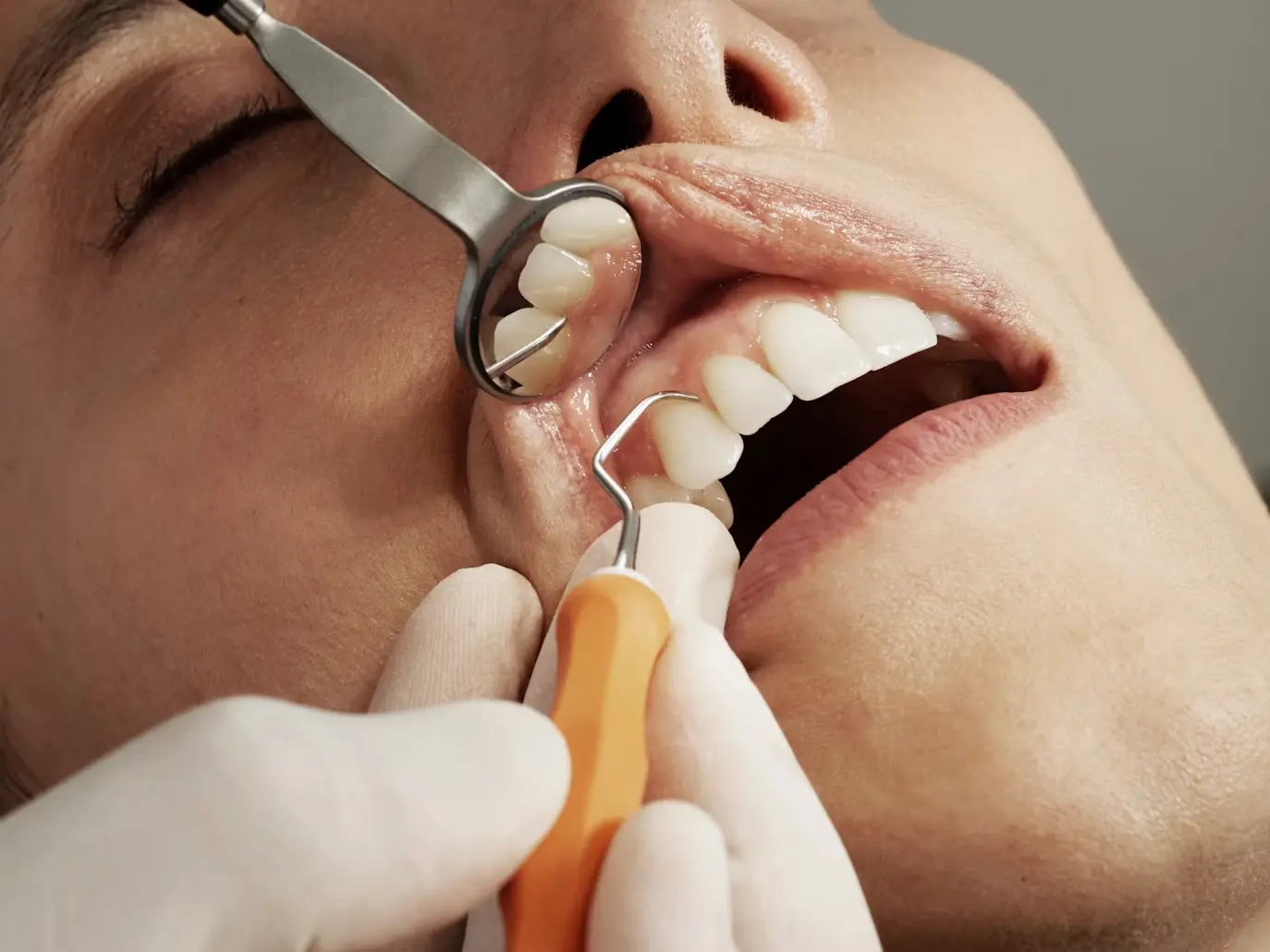
Dental malpractice in Florida occurs when a dentist or oral health professional fails to meet the accepted standard of care and that failure causes injury, and it is legally governed by the same Chapter 766 framework as any other medical malpractice claim. This surprises many patients who assume a "dental" injury falls outside the medical malpractice system entirely. It does not, and understanding that from the outset shapes everything about how a dental malpractice claim actually gets built.
This guide breaks down what counts as dental malpractice under Florida law, the most common injuries that lead to a viable claim, the specific pre-suit process Florida requires before any dental malpractice lawsuit can be filed, and what compensation is actually available.
What Counts as Dental Malpractice, and What Doesn't
Not every disappointing dental outcome is malpractice. A viable claim requires showing that your dentist's treatment fell below what a reasonably prudent dentist in the same field would have done under the same circumstances, and that this specific failure, not an inherent risk you were properly informed about, caused your injury. A known, disclosed risk that materializes despite competent treatment is not malpractice. A dentist who failed to recognize a complication developing, ignored warning signs on an X-ray, or performed a procedure without the skill the standard of care requires, is a different matter entirely. As with any Florida negligence claim, comparative fault under §768.81 can reduce compensation if you are found partially responsible, for example by failing to disclose a relevant medical condition, though this is a fact-specific defense rather than an automatic bar to recovery.
This distinction matters because temporary numbness, minor discomfort, or a treatment that simply didn't achieve the hoped-for result does not automatically support a claim. The injury has to trace back to an identifiable failure to meet the professional standard of care, established through a qualified dental expert's review of your specific treatment.
Common Types of Dental Malpractice Injuries
Nerve damage is among the most frequently litigated dental malpractice injuries in Florida. The trigeminal nerve, and specifically its lingual and inferior alveolar branches, runs close to the roots of the lower molars and wisdom teeth, and excessive drilling depth, incorrect angulation during an extraction or implant placement, or root canal filling material extending beyond the tooth apex can injure these nerves, sometimes permanently. Symptoms include numbness, burning pain, or altered sensation in the lips, tongue, or face that persists well beyond when anesthesia should have worn off. Because a dentist who fails to review imaging carefully enough to notice how close a nerve canal sits to a planned surgical site can be found negligent even without any technical error during the procedure itself, imaging review failures are worth examining as closely as the procedure itself.
Wrong tooth extraction occurs when a dentist removes a healthy tooth instead of, or in addition to, the tooth actually requiring treatment. While the physical pain from this error is often temporary, the loss of a permanent adult tooth is not, and Florida law recognizes this as a compensable injury distinct from the pain alone.
Failed or improperly placed dental implants can result in nerve damage, bone loss, chronic infection, or implant failure requiring corrective surgery, particularly when a dentist proceeds without adequate imaging review or places an implant too close to the nerve canal.
Failure to diagnose oral cancer or periodontal disease represents some of the most serious dental malpractice claims, given how significantly a delayed cancer diagnosis can affect treatment options and long-term prognosis. A dentist who fails to biopsy a suspicious lesion or refer a patient for further evaluation when warning signs are present can be held responsible for the resulting delay in treatment.
Anesthesia errors and improper sterilization round out the most common categories, ranging from allergic reactions caused by failing to review a patient's medical history to serious infections resulting from inadequately sterilized equipment.
Informed Consent: Why a Signed Form Doesn't Always Protect a Dentist
Patients often assume that signing a consent form before a procedure eliminates any right to pursue a claim if something goes wrong. This is not accurate. Informed consent requires that a dentist actually disclose the material risks specific to your procedure, in terms you could reasonably understand, before you agreed to treatment. A generic consent form that never specifically addressed the risk of nerve damage from a particular extraction, for example, does not necessarily satisfy Florida's informed consent standard, even though you signed something before the procedure began. A dentist who failed to warn you about a known, significant risk can still be liable for that failure, separate from any claim about the technical quality of the procedure itself.
Which Dental Providers Can Be Held Liable
Dental malpractice claims are not limited to general dentists. Oral and maxillofacial surgeons, who perform more invasive procedures like wisdom tooth extractions and implant placements, are held to their own specialty-specific standard of care, generally requiring expert corroboration from another oral surgeon rather than a general dentist. Orthodontists, periodontists, and endodontists each face the same Chapter 766 framework, with the required expert opinion coming from a practitioner in that same specialty. A dental hygienist working under a dentist's supervision can also contribute to a malpractice claim, though liability in these cases often extends to the supervising dentist as well, depending on the specific division of responsibility at the practice.
Sedation and Anesthesia Complications
Dental sedation, ranging from local anesthesia to conscious sedation and general anesthesia for more involved procedures, carries its own serious risk profile, and complications here can escalate quickly. Failing to properly review a patient's medical history before administering sedation, using an inappropriate dosage, or failing to monitor vital signs adequately during a sedated procedure can result in severe complications, including, in the most serious cases, death. These cases require careful review of anesthesia monitoring records and often benefit from an anesthesiologist's expert review in addition to a dental expert's opinion on the underlying procedure itself.
When Dental Malpractice Results in Death
While rare, dental malpractice can result in a patient's death, most often connected to a sedation or anesthesia complication, a severe allergic reaction, or a failure to diagnose a condition like oral cancer until it had progressed beyond effective treatment. When this happens, Florida's Wrongful Death Act allows the deceased's personal representative to pursue compensation on behalf of surviving family members, in addition to satisfying the same Chapter 766 pre-suit requirements that apply to any dental malpractice claim. Our Orlando wrongful death lawyer team handles these claims with the thoroughness they require.
Florida's Required Pre-Suit Process for Dental Malpractice Claims
Because dental malpractice falls under Chapter 766, the same procedural requirements that apply to a claim against a physician or hospital apply equally to a claim against a dentist. Before filing a lawsuit, Florida Statute §766.106 requires serving a Notice of Intent to Initiate Litigation on the dentist, supported by a corroborating written opinion from a qualified dental expert, generally a dentist practicing in the same or a similar specialty as the defendant, confirming that the treatment fell below the standard of care and caused the alleged injury.
Once served, the dentist and their malpractice insurer have a mandatory 90-day period to investigate the claim before any lawsuit can be filed. This pre-suit process exists to give the defendant a structured opportunity to evaluate the claim, and it cannot be skipped or shortened, regardless of how clear the underlying error may seem. Securing complete treatment records and a qualified dental expert's review before this notice can even be sent often takes additional weeks, which is why starting this process promptly matters.
How Long You Have to File a Dental Malpractice Claim
Florida generally requires filing a dental malpractice claim within two years from the date you discovered, or reasonably should have discovered, the injury, under the same framework that applies to medical malpractice claims generally under §95.11(4)(b). A separate four-year statute of repose sets an absolute outer limit measured from the date of the malpractice itself, regardless of when the injury was actually discovered, though Florida law allows this repose period to be extended when a provider engaged in fraud, concealment, or intentional misrepresentation related to the injury.
Determining exactly when the discovery clock started can be genuinely difficult in nerve damage cases specifically, since numbness following a dental procedure is initially expected and only becomes a legal concern once it persists beyond a normal healing window. Claims involving a minor child follow different tolling rules that can extend the filing window, which is worth discussing directly with an attorney given how fact-specific these calculations are.
What Compensation Can You Recover?
Florida dental malpractice claims allow recovery of both economic and non-economic damages. Economic damages include the cost of corrective treatment, additional dental procedures or surgeries needed to address the injury, and lost wages from time away from work during treatment and recovery. Non-economic damages cover pain and suffering, and in cases involving permanent nerve damage, disfigurement, or a failure to diagnose oral cancer, these damages can reflect the lasting impact on daily life, from chronic pain to permanent changes in speech, eating, or facial sensation. Florida imposes no cap on non-economic damages in these cases; a prior statutory cap on medical malpractice non-economic damages was struck down as unconstitutional by the Florida Supreme Court in North Broward Hospital District v. Kalitan (2017).
Filing a Complaint With the Florida Board of Dentistry
Separate from a civil malpractice claim, patients can file a complaint against a dentist directly with the Florida Department of Health's enforcement division, which oversees the Board of Dentistry's licensing and disciplinary authority. This process does not result in financial compensation for the patient, but it can trigger a regulatory investigation into the dentist's conduct and, in serious cases, result in disciplinary action against their license. Some patients pursue both paths simultaneously, a civil claim for compensation and a board complaint to address the provider's ongoing fitness to practice.
Why Proving Causation Is Often the Hardest Part
Even when a dental error is clear, establishing that the specific error, rather than an unrelated pre-existing condition or a known risk of the procedure itself, actually caused your injury is frequently the most contested part of a dental malpractice case. This is particularly true in nerve damage claims, where a qualified expert must connect the specific mechanism, excessive drilling depth, incorrect needle placement, overfilled root canal material, to the location and nature of the nerve injury you experienced. Thorough documentation of your symptoms, when they began, how they've progressed, and what treatment you've pursued since, directly supports this causation analysis. Defense experts in these cases frequently argue the nerve injury reflects a known, disclosed risk of the procedure rather than a deviation from the standard of care, which is exactly why the informed consent question and the causation question often end up litigated together rather than as two entirely separate issues.
Orthodontic Malpractice and TMJ Complications
Orthodontic treatment, braces, clear aligners, and other tooth-movement procedures, carries its own less commonly discussed malpractice risk: improperly planned or monitored treatment can result in root resorption, where the tooth's root structure shortens or deteriorates from excessive or poorly directed force, or temporomandibular joint (TMJ) dysfunction from a bite alignment that was not properly managed throughout treatment. These injuries develop gradually, often over months or years of ongoing orthodontic care, which makes establishing exactly when a patient discovered or should have discovered the injury a genuinely fact-intensive question distinct from the more sudden injuries typical of a single extraction or implant procedure.
When a Dental Product, Not Just the Dentist, Is at Fault
Not every dental injury traces back to a provider's technique. Defective dental implants, faulty orthodontic hardware, or contaminated materials used during a procedure can support a product liability claim against the manufacturer, separate from, or in addition to, any malpractice claim against the treating dentist. Florida's product liability framework, including the strict liability doctrine covered in detail on our product liability page, applies when a defective device or material, rather than the dentist's own conduct, caused the injury. These claims sometimes run on a different timeline than the Chapter 766 pre-suit process, since a claim against a manufacturer is not itself a medical malpractice claim even when it arises from the same dental procedure.
What to Do If You Suspect Dental Malpractice
- Seek evaluation from a different provider. An oral surgeon, neurologist, or pain specialist can assess the injury and create an independent medical record of your symptoms and their severity.
- Request your complete dental records, including X-rays, consent forms, and anesthesia records. These records are central to any expert review of whether the standard of care was met, and follow-up notes or specialist referrals can be just as relevant as the procedure notes themselves.
- Document your symptoms as they develop. Persistent numbness, burning pain, or other sensory changes that continue well beyond a normal healing window are worth tracking in detail.
- Act promptly. Between the two-year discovery deadline and the additional time Florida's pre-suit process requires, waiting to consult an attorney can meaningfully shrink your available options.
- Avoid assuming a signed consent form eliminates your claim. Whether the specific risk you experienced was actually and adequately disclosed is a legal question worth having reviewed, not an assumption to make on your own.
For a broader look at how Florida's medical malpractice pre-suit process works and what makes an attorney take a case, see our guide on how to get a medical malpractice attorney to take your case.
How Louis Berk Law Evaluates Dental Malpractice Cases
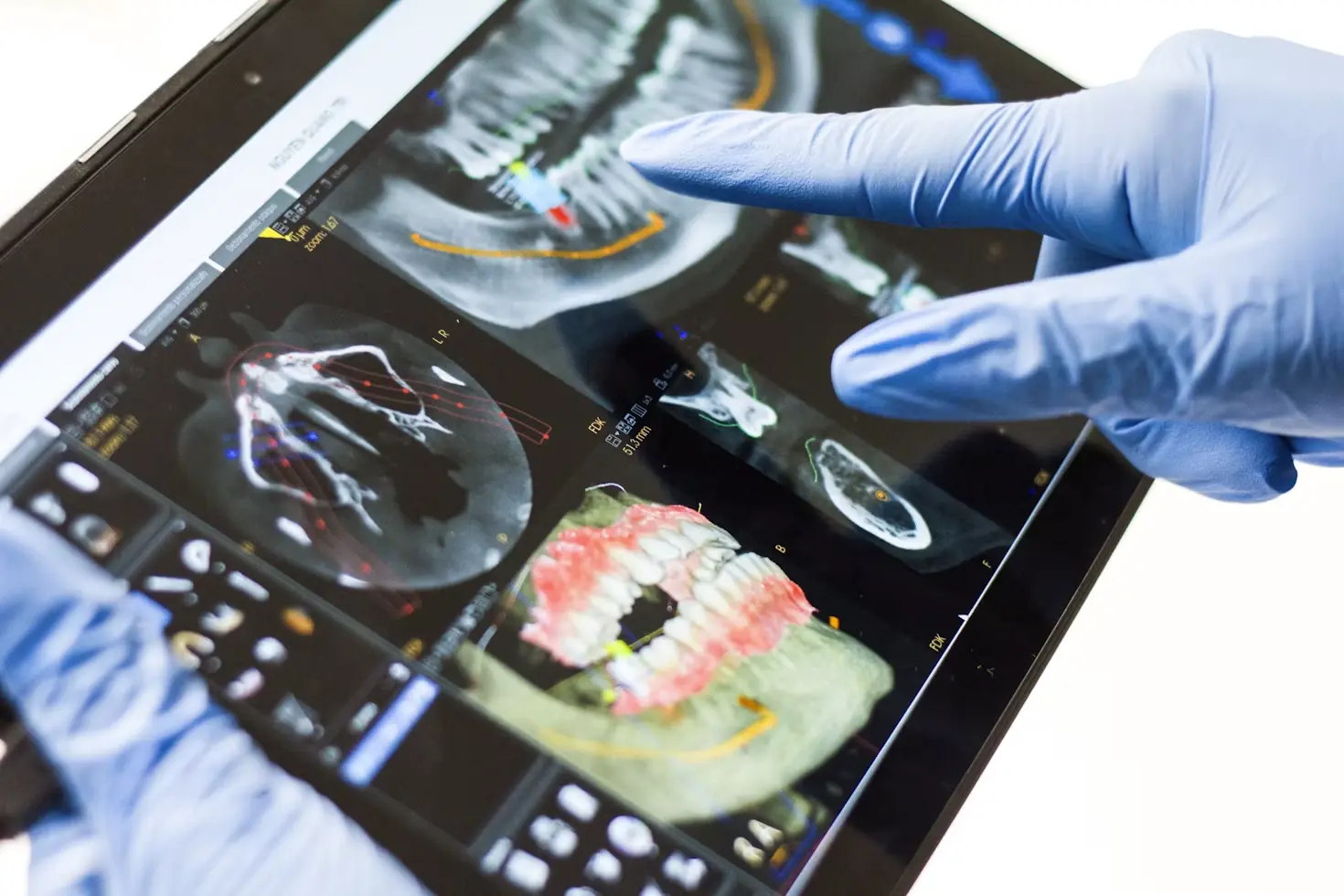
When we review a potential dental malpractice case, we look closely at what the treatment records and imaging actually show, work to secure a qualified dental expert's opinion, and move efficiently through Florida's required pre-suit process so the case isn't delayed any longer than the statute requires. We understand the specific mechanisms behind common dental injuries, nerve damage from extractions and implants, missed oral cancer diagnoses, and improperly disclosed risks, and what it takes to establish both the standard of care violation and the causation connecting it to your injury.
Our Orlando medical malpractice attorney team reviews dental malpractice cases throughout Central Florida with the same seriousness we bring to any medical negligence claim. You can review our case results to see how we've approached similar cases.
Disclaimer: This page is for general informational purposes only and does not constitute legal advice. Every case is different. For advice about your specific situation, contact a licensed attorney. Prior results do not guarantee a similar outcome.
***By providing a telephone number you are consenting to be contacted by SMS text message. Message & data rates may apply. You can reply STOP to opt-out of further messaging and get more help by sending HELP.

