

Pedestrian Hit by Car
- Call 911 and get evaluated right away. Under Florida's PIP rules, you generally need medical care within 14 days to preserve benefits (Florida Statute §627.736(3)(a)).
- Stay at the scene if it is safe, cooperate with police, and get the officer's name and crash report number.
- Document everything: photos of injuries and the vehicle, the crosswalk and traffic signals, and contact information for witnesses and nearby cameras.
- Understand liability early. Florida's modified comparative negligence law (Fla. Stat. §768.81) reduces your compensation by your percentage of fault, and bars recovery entirely if you are found more than 50% at fault.
- If it was a hit-and-run, UM/UIM coverage is often the path to recovery. A pedestrian accident lawyer handles insurer communications, gathers evidence, and pushes for full compensation.
Pedestrian Hit by Car in Florida: Your Practical Guide to Taking Action and Getting Compensated
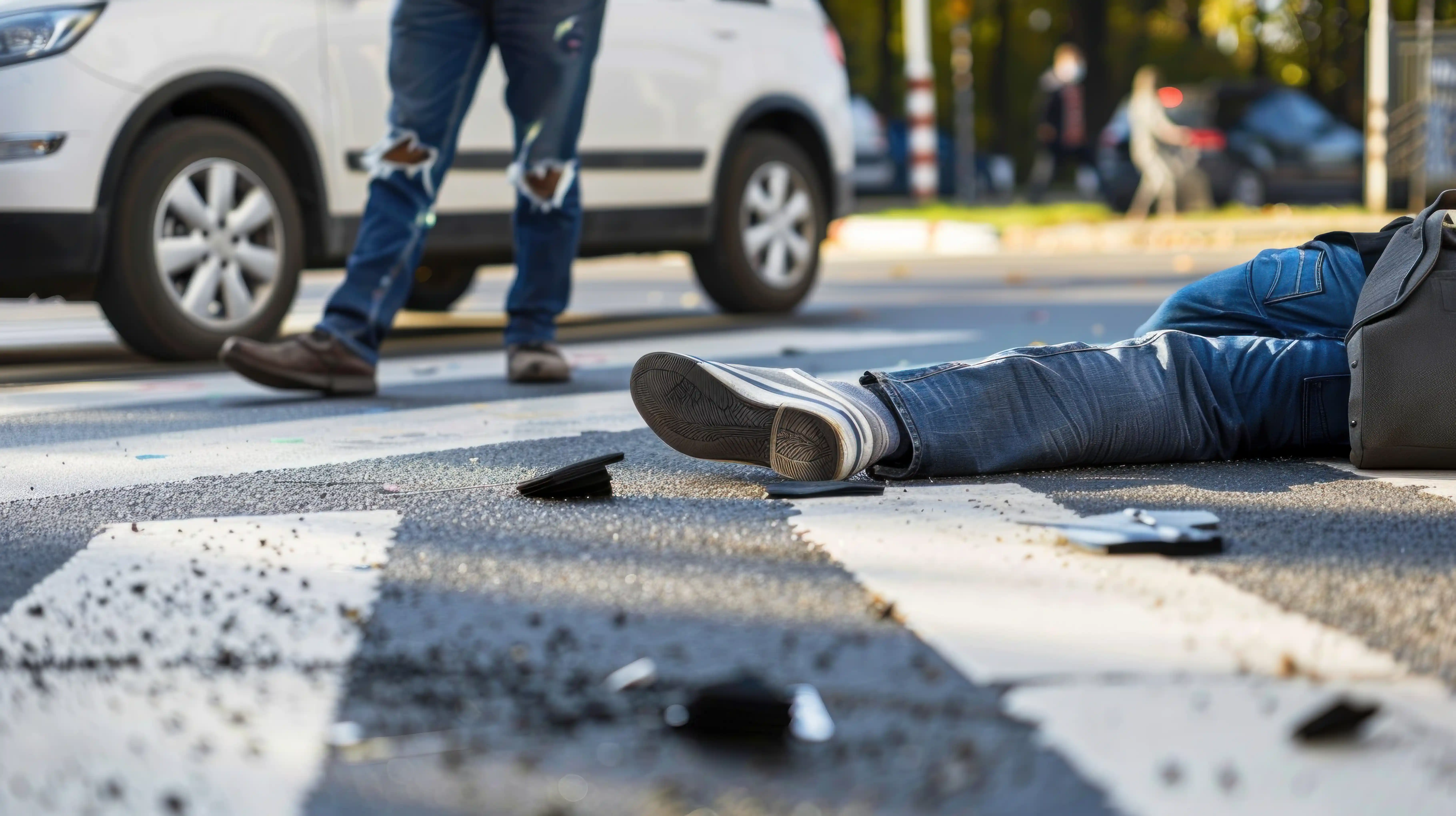
If you have been hit by a car as a pedestrian in Florida, your three immediate priorities are getting medical care within 14 days to preserve PIP benefits, documenting the scene and the driver's information, and avoiding any recorded statements to insurance companies before consulting an attorney. This guide walks through each of those priorities in detail, from the scene of the crash through the full claims process, so you move forward with a clear plan.
For context on how pedestrian accident claims compare to standard vehicle crash claims, see our Florida car accident settlement guide.
Immediate Steps After a Pedestrian Hit by Car
The six steps to take immediately after being hit by a car as a pedestrian are: call 911, get a medical evaluation, document the scene with photos, collect the driver's insurance information, get witness contact details, and report the accident to police. Acting on these steps before the scene clears protects both your health and your legal position.
Quick Action Checklist: What to Do If You've Been Hit by a Car
Call 911 and Get Medical Help Immediately
If you are conscious, call 911 immediately or have someone do it for you. Internal injuries such as brain trauma or organ damage are often not obvious right after impact. Even if you feel relatively fine, paramedics detect hidden trauma and create on-site documentation that becomes important evidence later.
Under Florida's PIP law, you have only 14 days to get a medical evaluation or risk losing access to up to $10,000 in Personal Injury Protection coverage. That deadline is set by Florida Statute §627.736(3)(a). Miss it, and insurers will use the gap in treatment to argue your injuries were not caused by the crash.
Stay Calm and Stay in Place
Unless you are in immediate danger, such as lying in active traffic, stay where you are and wait for emergency responders. Moving prematurely worsens injuries, including broken bones, internal bleeding, or spinal damage, and it compromises the crash scene for investigators. If the driver suggests handling things privately or discourages you from calling police, that is a significant warning sign. Report the crash immediately regardless of how your injuries feel in the moment.
Gather Evidence at the Scene
If you are alert and physically able, use your phone to document the scene before it clears. Time-sensitive evidence includes photos of the vehicle and license plate, your visible injuries, the crosswalk and traffic signals, skid marks, debris, road conditions, weather, and any nearby businesses with visible cameras. Collect contact information from eyewitnesses and note the responding officer's name and crash report number. That documentation is often the difference between full compensation and a denied claim.
Avoid Discussing Fault at the Scene
Even a polite statement such as "I didn't see the car" or "I'm sorry" is often used against you as an implied admission of fault. Stick to factual responses to officer questions and avoid speculating about what happened. Insurance adjusters review everything said at or about the scene. Protect your claim by saying as little as possible about fault until you have spoken with an attorney.
Who Is Liable When a Car Hits a Pedestrian?
In Florida, liability when a car hits a pedestrian depends on whether the driver failed to yield under Fla. Stat. §316.130, whether the pedestrian was in a marked crosswalk, and how Florida's modified comparative negligence rule (§768.81) allocates fault between the parties. Understanding this framework before filing a claim shapes every strategic decision in the case. For a deeper look at how the claim process works, see our personal injury claim guide.
Understanding Florida's Comparative Negligence Law
Florida's modified comparative negligence law (Fla. Stat. §768.81), updated by HB 837 effective March 24, 2023, sets the following rules:
- If you are found more than 50% at fault, you recover nothing.
- If you are 50% or less at fault, your compensation is reduced by your exact percentage of fault.
Example: a total jury award of $120,000 with a finding that you were 25% at fault produces a final payout of $90,000. Insurance companies know this framework and look for any basis to assign partial fault to the pedestrian. Strong legal representation challenges those assignments with evidence. In more complex cases where fault is disputed or injuries are severe, a claim sometimes escalates to litigation. See our step-by-step guide to personal injury lawsuits for what to expect if that becomes necessary.
Common Scenarios of Fault in Pedestrian Accidents
Every pedestrian accident case differs, but certain fault patterns are common.
When the driver is usually at fault: failing to yield to a pedestrian in a marked crosswalk is a direct violation of Florida Statute §316.130, which requires drivers to stop and yield the right of way when a pedestrian is crossing or about to cross within a marked crosswalk. Running a red light or stop sign, speeding or driving recklessly, texting while driving, and driving under the influence are all strong bases for driver fault.
When a driver's traffic violation directly causes the crash, that violation establishes negligence per se, a legal doctrine that removes the need to prove the driver acted unreasonably, because the statutory violation itself constitutes negligence under Florida law.
When the pedestrian might share fault: jaywalking or crossing mid-block, ignoring traffic signals, walking at night without reflective gear, being distracted by a phone while crossing, or stepping between parked cars without warning all contribute to a pedestrian's fault assignment. Even partial fault only reduces your award, it does not automatically eliminate your claim. But you need documented evidence and legal representation to defend against fault arguments effectively.
Common Pedestrian Accident Injuries and Medical Costs
The most common injuries when a pedestrian is hit by a car are traumatic brain injuries, spinal cord injuries, broken bones, and internal organ damage, with total medical costs frequently reaching six or seven figures. When a person is struck with no protective structure around them, the physical consequences are almost always more severe than in vehicle-on-vehicle crashes. The ranges below reflect typical Florida injury settlements reported across personal injury cases, not a guarantee for any individual claim, since fault, insurance limits, and treatment history all affect the final value.
These medical expenses form the foundation of a pedestrian accident settlement, but the full picture also includes pain, psychological trauma, and loss of independence, damages that must be documented with equal care. For a detailed look at how settlement values are calculated from these components, see our personal injury settlement guide.
Why Medical Documentation Is Key
Insurers do not accept verbal accounts of injuries. They review medical records, and what those records contain, or fail to contain, shapes what they offer. Consistent, detailed documentation shows what your injuries are, when they were diagnosed, how they affect daily function, what treatment you have received, and what future treatment is anticipated. Keep ER visit summaries, imaging results, specialist reports, physical therapy updates, prescription records, and physician prognosis letters all in one organized file. The stronger your paper trail, the harder it is for an adjuster to minimize your claim.
Orlando's Pedestrian Safety Crisis: Why This City Demands Extra Vigilance

Florida is consistently ranked among the most dangerous states in the country for pedestrians, and the Orlando-Kissimmee-Sanford metro area has placed near the top of national pedestrian danger analyses year after year. According to FLHSMV crash data, Florida recorded over 9,000 pedestrian crashes and 701 pedestrian fatalities statewide in 2024, with Orange and Osceola counties consistently ranking among the state's highest-volume pedestrian crash zones. For anyone walking, jogging, or crossing a street in Central Florida, that context matters directly to any potential legal claim.
The I-4 and Colonial Drive Corridors
The I-4 corridor, particularly the stretches connecting downtown Orlando to International Drive, the attractions district, and the 408/Florida Turnpike interchanges, combines high vehicle speeds, dense lane configurations, and significant pedestrian foot traffic near hotels, theme parks, and restaurant rows. Colonial Drive (US Highway 50) runs through multiple neighborhoods with inconsistent sidewalk infrastructure, poorly timed crossing signals, and continuous commercial traffic, all conditions that contribute to elevated pedestrian risk.
The Florida Department of Transportation and Florida Highway Safety and Motor Vehicles track pedestrian crash data by county and corridor. Orange County and Osceola County, which together cover the tourist core and the Kissimmee/I-4 zone, consistently account for a significant share of Central Florida's pedestrian fatalities and serious injuries.
Tourist Areas and Rental Car Risk
International Drive's pedestrian environment is unlike any other road in Florida. Eight lanes of traffic, crosswalk signals timed for vehicle throughput rather than pedestrian safety, and a constant mix of unfamiliar drivers in rental vehicles create elevated crash risk. Out-of-state and international visitors, who are often unfamiliar with Florida's intersection layouts and pedestrian signal timing, contribute to the collision rate in this corridor.
When a pedestrian crash happens in a tourist area, determining liability sometimes becomes more complicated: the vehicle might be a rental, the driver might have left Florida, and the insurance structure might involve multiple coverage layers. Our Orlando pedestrian accident lawyer team handles these cross-jurisdictional cases and knows how to preserve evidence and pursue compensation when the at-fault driver is difficult to locate.
Hit-and-Run Incidents Are Increasing
Florida hit-and-run crashes have surged over the past decade. Pedestrians are disproportionately affected: they cannot pursue a fleeing vehicle, they might be incapacitated at the scene, and by the time a report is filed the driver is often long gone. Uninsured Motorist (UM/UIM) coverage and prompt evidence preservation, particularly surveillance footage from nearby businesses, become the primary recovery tools in these cases.
Central Florida's high tourist volume also means a larger proportion of drivers on local roads do not carry Florida-compliant insurance, which further elevates the importance of UM/UIM claims for pedestrian accident victims in this region.
If Spanish is your primary language, our team handles pedestrian accident cases entirely in Spanish. Visit our Spanish-speaking attorney page to learn more.
What to Do After a Pedestrian Hit-and-Run Accident
After a pedestrian hit-and-run in Florida, call 911 immediately, try to note any details about the vehicle, such as color, make, and any plate fragment you observed, check nearby businesses for surveillance cameras, and file for Uninsured Motorist coverage through your own auto insurance policy. A driver who flees does not eliminate your right to compensation. It changes the pathway for pursuing it. For cases where the driver cannot be identified and litigation becomes necessary, our car accident lawsuit guide explains what that process involves.
Can You Still Recover Compensation in a Hit-and-Run Case?
Yes. Even if the driver is never found, Florida law allows victims to seek compensation through alternate channels. Here is how recovery options compare.
Uninsured/Underinsured Motorist coverage funds medical expenses, lost wages, and pain and suffering even if no one is ever arrested. These claims are frequently denied or underpaid without legal pressure and require meticulous evidence gathering and assertive negotiation from the earliest stages of the case.
Do You Need a Lawyer After a Car Hits a Pedestrian?
A pedestrian accident attorney significantly increases settlement value by handling insurance negotiations, preserving time-sensitive evidence, documenting the full scope of current and future damages, and defending against comparative negligence arguments that reduce or eliminate your recovery under Florida's 50% bar. Insurance companies have entire departments trained to minimize pedestrian claims. Without legal representation, you are negotiating at a structural disadvantage from the first contact.
What a Lawyer Does in a Pedestrian Hit-and-Run Case
In hit-and-run cases specifically, an experienced pedestrian accident attorney tracks down surveillance footage from nearby businesses, coordinates with law enforcement on the investigation, files UM/UIM claims on your behalf, builds a compelling factual record even without a named driver, and negotiates hospital and provider liens to reduce your out-of-pocket costs from the settlement. These are not steps a recovering victim effectively manages while also handling medical treatment and financial pressure.
How Contingency Fees Work
Most pedestrian accident attorneys, including our team at Louis Berk Law, work on a contingency fee basis, meaning no upfront payment and no fee at all unless you recover compensation. Florida caps these fees under Florida Bar Rule 4-1.5(f). Here is how the standard schedule works in Florida personal injury cases.
These are the maximum percentages Florida law presumes reasonable for personal injury cases settled up to $1 million; lower percentages apply to larger recoveries. Your written fee agreement will spell out the exact terms for your case.
When to Hire a Lawyer After a Pedestrian Accident
Contact a pedestrian accident attorney immediately if you needed surgery or hospitalization, the driver fled the scene, you are being blamed for the crash, you have lost income or cannot return to work, or you do not fully understand your legal rights and deadlines. Insurance companies begin building their defense from the moment the crash is reported. There is no benefit to waiting.
How Louis Berk Law Handles Pedestrian Cases
At Louis Berk Law, we prepare every pedestrian accident case as if it is going to trial, because that preparation is what produces serious offers before the case gets there. We use expert testimony to document long-term damages, investigate every liable party, and never accept lowball offers. If the insurance company refuses to negotiate in good faith, your case sometimes escalates to a pedestrian accident lawsuit to recover the full damages you are owed.
How to Strengthen Your Pedestrian Hit by Car Case
The three elements that most strengthen a pedestrian accident case in Florida are immediate and consistent medical documentation, physical evidence from the scene, such as photos, surveillance footage, and traffic camera data, and witness statements that corroborate the driver's fault. Insurance companies and defense attorneys attack any gap in documentation. The following steps close those gaps before they get exploited.
Medical Documentation Checklist
The must-have records are ER summaries and triage notes, imaging reports such as X-rays, MRIs, and CT scans, doctor and specialist evaluations, treatment plans and physical therapy updates, prescription records, and prognosis letters explaining the long-term impact of your injuries. Follow up proactively and make sure your chart reflects everything you experience during recovery.
Witness Statement Tips
Eyewitnesses validate your account and help establish fault, particularly when the driver disputes what happened. At the scene, get full names and contact information, encourage witnesses to give statements directly to police, and identify nearby businesses with exterior cameras. Once your attorney takes over, witness accounts are converted into affidavits or depositions that carry weight in mediation and at trial.
Build a Timeline and Preserve Evidence
A clear chronological record organizes your case for adjusters, mediators, and juries. Your timeline should cover what you were doing before the crash, the exact time, date, and location of the accident, weather and road conditions, emergency response details, all follow-up medical appointments and diagnoses, work missed and income lost, and all communications with insurers or other parties. Save text messages, voicemails, receipts, police reports, and emails.
Using Experts to Prove Long-Term Damages
In serious pedestrian injury cases, expert testimony converts documented losses into a legally defensible damages figure. The experts most commonly engaged in Florida pedestrian cases are shown below.
Hit by a Car in Florida? Louis Berk Law Is Ready
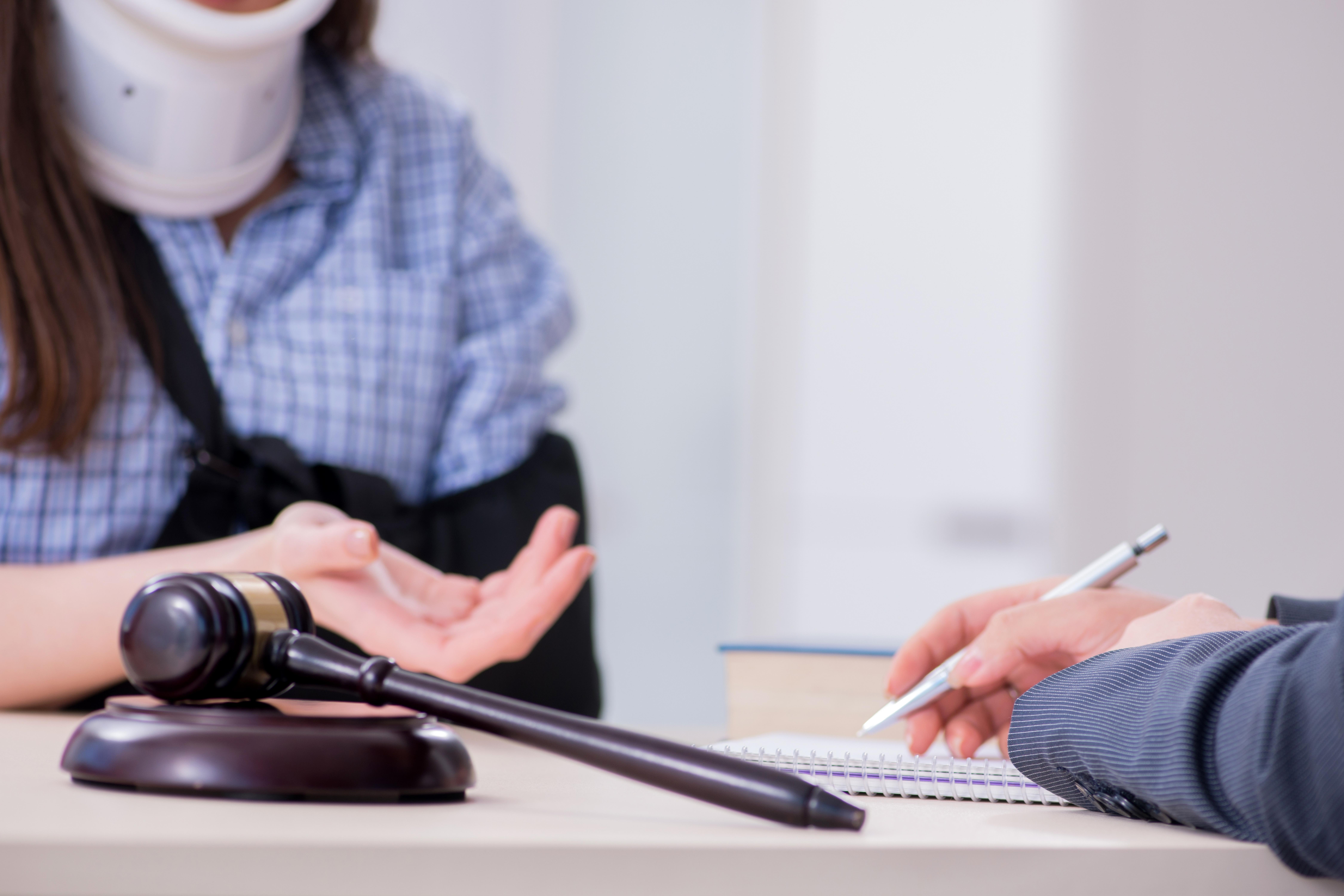
Louis Berk Law represents pedestrian accident victims across Central Florida, handling cases on a contingency basis with no upfront fees and providing services in both English and Spanish. We know how Florida's no-fault and comparative negligence rules interact in pedestrian cases, and we know the tactics insurers use to reduce or deny these claims.
Schedule a Free Consultation
If a pedestrian accident left you injured, stressed, or facing financial pressure, your first consultation is free. We will review your medical and accident history, provide clear legal guidance based on Florida law, and build a roadmap for your claim. View our case results to see how we have handled cases like yours. No fees unless we win. No pressure.
Act Quickly: Evidence Disappears Fast
Evidence fades, witnesses move on, and surveillance data is overwritten on short retention cycles. Insurance companies begin building their defense immediately after a crash is reported. Contact Louis Berk Law as soon as possible after a pedestrian accident to protect your rights and preserve the evidence that supports your claim.
Disclaimer: This page is for general information only and is not legal advice. Reading it does not create an attorney-client relationship. Prior results do not guarantee a similar outcome.
***By providing a telephone number you are consenting to be contacted by SMS text message. Message & data rates may apply. You can reply STOP to opt-out of further messaging and get more help by sending HELP.

